

Transitioning to Controlled Mating in Northern Australia’s Beef Industry
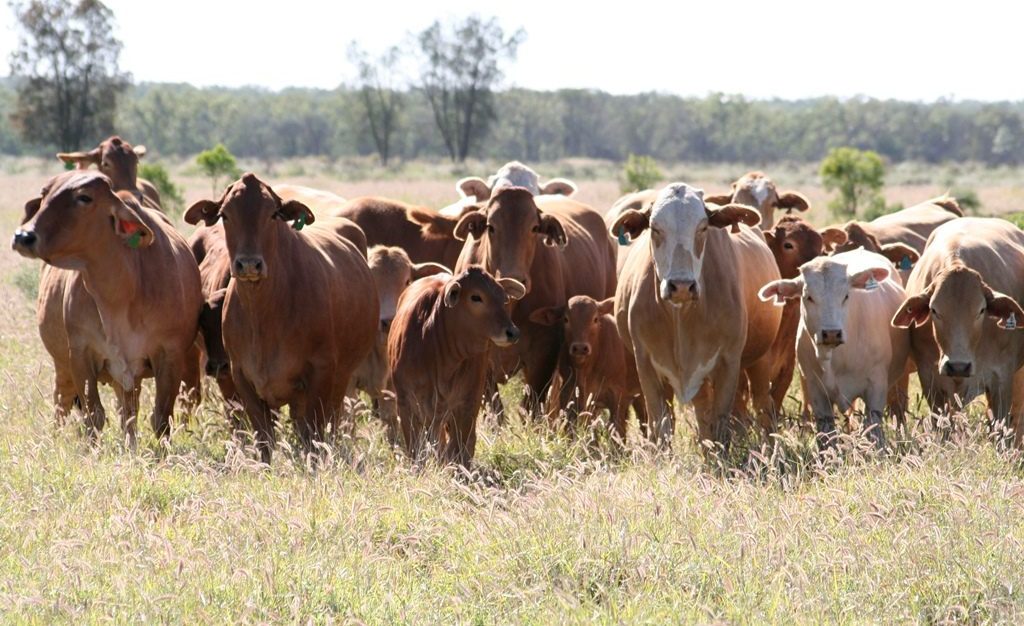
Transitioning to controlled mating on extensively-managed northern Australian properties can pose challenges. However, with expert advice and proper planning, the shift can be less complicated.
Essentials for a Successful Controlled Mating Program
Experts Mick Sullivan, Tim Emery, and Roxanne Morgan highlight key considerations for implementing a successful controlled mating program:
- Ease of mustering to remove bulls from cows.
- A secure bull paddock.
- Yard facilities for handling larger mobs of weaners.
- Possibly additional staffing during peak periods.
- Timeliness of management activities and adherence to schedules.
- A robust data recording system.
- A vaccination program, especially for vibriosis and leptospirosis.
- Conduct annual bull breeding soundness evaluations.
- Record lactation status and conduct pregnancy tests.
- Manage cow body condition effectively.
Example Property Scenario
Consider the following example property details:
- Large-scale property in Central Queensland.
- Green date in mid-January.
- First weaning muster from April to June.
- Second weaning muster from August to September.
- Aiming to transition from continuous to controlled mating without heavily impacting production.
Three-Year Transition Plan
Year One: Setting Up the Herd
August-September (Second Round Muster)
- Remove Bulls: Prevent calves being born during the dry season and ensure bulls are in a secure paddock with quality feed.
- Wean Calves Early: Focus on weaning lighter calves first.
- Vaccinate Cows: Administer relevant vaccinations while cows are in the yards.
- Sort by Lactation Status: Segregate cows for better management.
- Schedule Veterinary Checks: Book a vet for bull soundness evaluations.
- Supplement Cows if Required: Ensure cows regain necessary body condition.
- Identify Green Date: Determine optimal timing for calf births linked to rainfall forecast.
Year Two: Applying the Program
Mid-February: Bulls are reintroduced to the cows and heifers based on the calculated Green Date.
April-May: Conduct a forage budget to estimate dry season feeding capacities.
Late April-June: First round weaning, focusing again on lighter condition cows.
August-September: Second round weaning; remove bulls and test for pregnancy.
Year Three and Beyond: Refining the System
Continue repeating year two’s steps. Over time, managers can expect:
- Increased calves in the first round of weaning.
- Better overall cow condition with reduced need for supplements.
- Fewer second-round weaners.
Advanced options may also include tightening calving patterns and removing late-calving cows.
Through this structured approach, cattle producers can enhance their herd’s productivity and sustainability.
Source: FutureBeef

