

Cattle Tick Management in Queensland: Industry Calls for Change
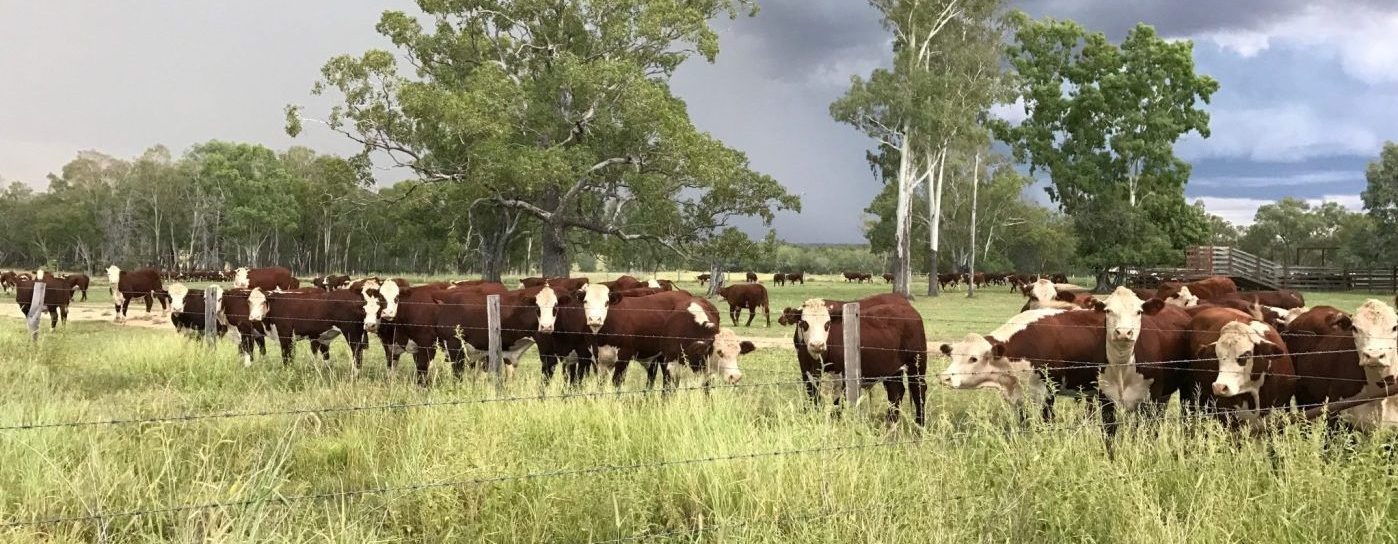
It has been a decade since significant changes were implemented in Queensland’s cattle tick management, yet the industry is now pushing for further modifications following a recent outbreak within the tick-free zone.
According to the Department of Primary Industries (DPI), there have been “65 new restrictions recorded within the Cattle Tick Free Zone over the past year.” This rise in restrictions reflects heightened concerns over the increasing numbers of ticks, particularly around the Taroom region.
History of Cattle Tick Management
In 2019, Beef Central reported the recorded detections of cattle ticks in the free zone as follows:
- 2017 – 31
- 2018 – 31
- 2019 – 27
The DPI stated that the rise in outbreaks may align with improved seasonal conditions, contrasting with the dry conditions of 2019, which contributed to fewer infestations.
Adjustments to Management Practices
Major changes in tick management were enacted in 2016, most notably the eradication of the buffer zone between infested and non-infested zones, in favor of a two-zone system. This included updates such as:
- A relaxation of requirements for cattle traveling directly from the infested zone to prescribed facilities in the free zone, such as feedlots.
- The introduction of third-party scratchers, allowing producers to certify their cattle as tick-free.
While these changes were initially supported for improving animal welfare and reducing chemical exposure, many producers believe that the flexibility introduced may compromise the system’s integrity.
Current Challenges and Proposed Changes
Following the recent outbreaks, industry participants have been vocal about the need for improvements in tick management. Here are some suggestions gathered from discussions:
1. Increased DPI Presence
There is a pressing call for more DPI staff on the ground, particularly in light of the latest outbreak. Industry stakeholders advocate for the swift filling of the remaining positions from the State Government’s pledge to hire additional biosecurity officers.
2. Enhanced Surveillance Programs
Producers have expressed dissatisfaction with the current level of surveillance and monitoring. A solid commitment to surveillance programs is essential to prevent ticks from spreading into the free zone.
3. Policy Adjustments
Several changes have been proposed, including:
- Modification of the Privacy Act to provide producers with information related to nearby outbreaks.
- Establishment of a buffer zone in the high-risk areas of Queensland.
- Inspection and treatment requirements for animals, including horses, that may carry ticks before entering the free zone.
Saleyard Regulations
Australia’s second-largest saleyard, Dalby, has sparked conversations regarding the management of cattle tick outbreaks. The Dalby Agents Association has requested:
- A DPI officer present at saleyards to check cattle from high-risk areas.
- The establishment of a dip facility at Dalby, although opinions on this vary among producers.
Conclusion
As the cattle industry in Queensland navigates through these challenges, it is evident that a comprehensive review of current management practices and effective communication between the DPI and producers will be crucial in addressing these pressing issues.
Previous Articles
– 20 February – Dalby agents respond to concerns about repeated tick outbreaks
– 16 February – Taroom producers say they have no confidence in cattle tick management
– 13 February – Producers air frustrations at Taroom cattle tick outbreak meeting
– 3 February – Calls for Govt support in latest Qld cattle tick outbreak
This organized article provides a comprehensive overview of the current issues with cattle tick management in Queensland while ensuring readability and proper formatting for WordPress integration.

