
Written by Rebecca Champagne, PhD, OFRF Conservation Scientist
OFRF is currently collaborating with the USDA Natural Resources Conservation Service (NRCS) to enhance NRCS staff knowledge about organic farming needs. This partnership aims to share the experiences of organic farmers—helping others understand and utilize conservation programs effectively. Interested parties can reach out to Rebecca Champagne at rebecca@ofrf.org for more information.
Spotlight on North Star Organics
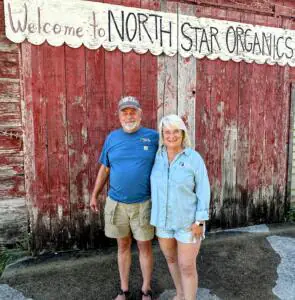
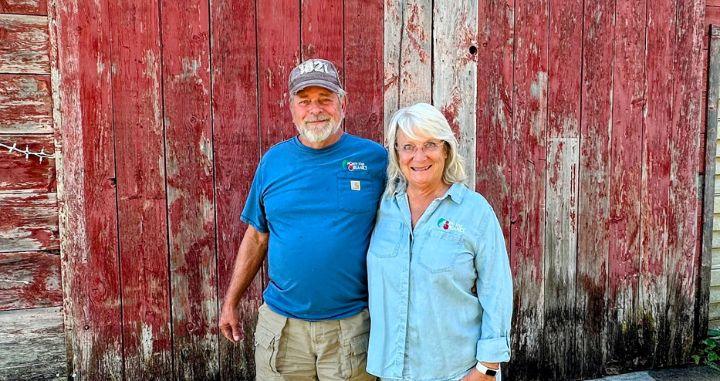
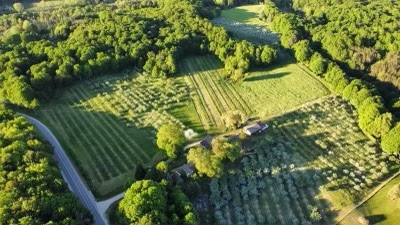
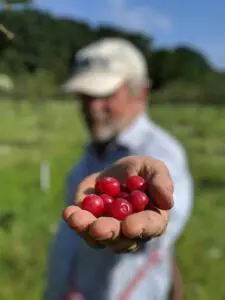
Located in Frankfort, Michigan, North Star Organics is a 40-acre certified organic cherry farm owned by Cheryl and Alan Kobernik. Celebrating 40 years in operation, their farm dedicates 26 acres to both tart and sweet cherry production, featuring 2,600 tart and 180 sweet cherry trees.
A Journey Through Organic Farming
The Koberniks have traditionally focused on machine-harvesting their fruit, aiming for processing sectors including juice, freezing, and drying. They used to have a thriving market for on-farm pick-your-own cherries; however, recent extreme weather and pest challenges have diminished yields, impacting their operations significantly.
“The excitement around organic farming 20 years ago seems to be fading as processors demand larger contracts. Smaller producers struggle to meet these thresholds.”
Transitioning to organic production began in 1999, achieving certification in 2002. Alan and Cheryl recognized that low conventional cherry prices—around $0.04 per pound—were unsustainable. They sought organic certification not just for economic viability but to ensure the long-term sustainability of their farm.
Partnering with NRCS
The Koberniks discovered NRCS and its programs through self-research and local agricultural groups. Unlike past experiences, they now receive direct support from planner Scott Hughey, who emphasizes the importance of building farmer relationships.
“My goal is to understand farmers’ perspectives and provide equal service,” said Scott.
Their positive relationship with NRCS motivated them to seek both technical and financial assistance, showcasing the need for enhanced knowledge exchange among farmers.
Utilizing NRCS Programs
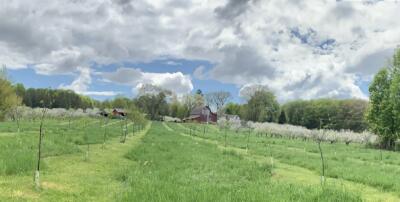
North Star Organics currently benefits from the Conservation Stewardship Program (CSP), which enhances resource management on their farm. Their contract includes practices for improving soil health through cover crops, boosting pollinator habitats, and establishing food-producing windbreaks.
The farm has also utilized the Environmental Quality Incentives Program (EQIP) for infrastructure improvements, such as a fuel storage facility and protection for high-traffic areas.
Growth and Adaptation
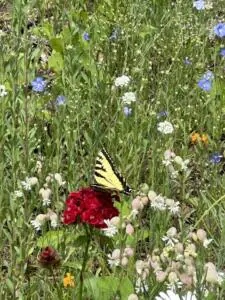
Since implementing NRCS programs, the Koberniks have observed a positive uptick in pollinator populations and improved soil health, significantly reducing operational costs.
“Using radish cover crops has alleviated our compacted soils. We now actively monitor soil organic matter with the Haney Soil Test.”
Valuable Insights and Recommendations
The experiences of North Star Organics serve as a roadmap for other farmers who wish to engage with federal support programs. The complexities of following conservation guidelines while ensuring organic compliance pose unique challenges.
While the Koberniks have had a positive experience with NRCS, they acknowledge that some farmers might need to advocate more vigorously for themselves. They firmly believe that increased communication and trust between farmers and NRCS staff can immensely benefit organic producers.
Advice for Future Collaborations
Scott advises fellow NRCS staff working with organic farmers to become well-versed in local agricultural practices and emphasize the value of conservation initiatives by sharing success stories.
Resources for Interested Farmers
Farmers interested in applying for CSP, EQIP, or other NRCS programs can find useful resources and links to get started.
This case study was produced with support from the United States Department of Agriculture’s Natural Resources Conservation Service (USDA-NRCS) under Cooperative Agreement No. FBC24CPT0013867. The contents are solely the responsibility of the authors and do not necessarily reflect the views of USDA-NRCS.
All photos credit North Star Organics.
This structured article emphasizes readability, organizes content clearly under relevant headings, and uses HTML tags that facilitate smooth integration into WordPress.

