

Recent Breakthroughs in Methane-Reducing Feed Additives
Significant developments have emerged in the field of methane-reducing feed additives this week. Below is a quick overview of the latest updates.
Major Investments Fuel Cross-Tasman Competition
A competitive landscape is shaping up in the methane-inhibiting feed additive market, with rivals from New Zealand and Australia collectively attracting an impressive $24.4 million in investments this month.
An infusion of $14.8 million is expected to help Auckland-based Ruminant Biotech to launch its innovative slow-release bolus product, Emitless, in Australia next year. At the same time, Number 8 Bio, an Australian ag tech firm, has secured $9.6 million to expedite the commercialization of its bolus-delivered product, BetterFeed, eyeing opportunities in the New Zealand market.
Tom Breen
According to research from Lincoln University, Ruminant Biotech claims more than 75% methane reduction for 100 days from a single treatment of Emitless. The company’s CEO, Tom Breen, expressed confidence in achieving a six-month efficacy for the bolus. This long-lasting solution is seen as essential for adoption in extensive pasture-based beef farming.
On the other hand, BetterFeed aims to deliver up to 90% methane reduction alongside improved rumen fermentation over a six-month period. Ruminant Biotech holds patents for its tribromomethane technology in Australia, New Zealand, the US, and Europe, and is currently seeking regulatory approvals in Canada, Brazil, and the EU. The company has set its sights on treating 100 million cattle by 2035.
Mr. Breen indicated that they are working on a distribution agreement with a “large global partner” to enhance customer reach and plug into existing offtake programs. This week’s $14.8 million investment joins substantial public research grants from New Zealand Government agencies and $3.5 million from the Australian Government.
Co-led by venture capital firms Rosrain Investments and Cultivate Ventures, this latest funding round values Ruminant Biotech at $132 million.
Commercial Director George Reeves commented on the innovation: “What is the breakthrough? It’s the mechanism, not the substance.” He elaborated on the challenges of methane emissions in livestock management and the potential for their bolus to solve these issues effectively in pastoral environments.
Number 8 Bio’s Ambitious Plans
Meanwhile, Number 8 Bio has announced its pursuit of New Zealand and European markets after raising $11 million for BetterFeed’s commercialization. Founded in 2022, the company focuses on engineering yeast for methane inhibitors in fermentation tanks, planning to offer multiple delivery forms including boluses and powders.

Number 8 Bio team (L to R): Dr Dominik Kopp, Dr Silas Vick, Dr Tom Williams, and Dr Alex Carpenter.
The Series A funding, led by Icehouse Ventures, will support regulatory approvals and large-scale animal trials ahead of a planned pre-commercial release in 2026. As they finalize patents, the company also aims to introduce a carbon-insetting program to track verified emissions reductions.
CEO Dr. Tom Williams expressed optimism about the funding, stating, “This capital raise shows serious international belief in what’s being built here in Australia.”
Sea Forest Takes the Next Step
In additional methane feed additive news, Sea Forest Limited made its debut on the ASX with an IPO raising approximately A$20.5 million. The company focuses on its livestock feed additive, SeaFeed, which promises to reduce methane emissions by up to 80%.
The funds raised will facilitate Sea Forest’s expansion, covering new production facilities in Australia and globally, alongside ongoing product innovation and regulatory approvals.
The company has secured supply contracts with numerous livestock producers and is currently discussing arrangements for managing an additional 700,000 head of livestock. CEO Sam Elsom emphasized that “SeaFeed is a win-win for farmers” given its environmental benefits coupled with productivity gains.
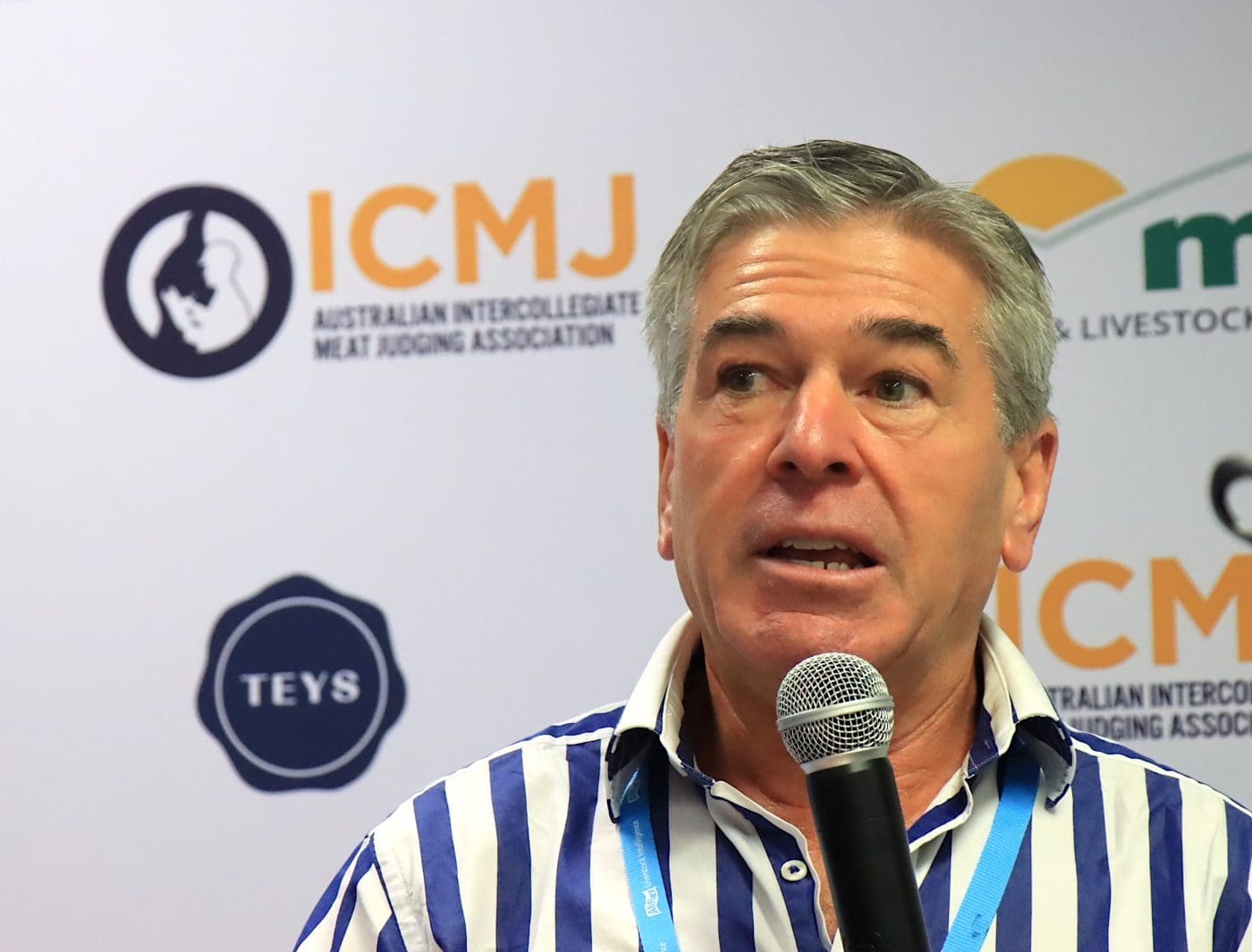
John McKillop
Independent Chair John McKillop reiterated the transformative impact of Sea Forest’s technology within the agricultural sector, addressing the need for sustainable food production and reduced emissions.
Today’s IPO is significant, not only for the company but for a wider agricultural transition toward low-emission products, as Sea Forest positions itself as an industry leader.
This structured HTML article is tailored for seamless integration into a WordPress site, ensuring clarity and readability while maintaining the key content from the original text.

