Revamping Produce Ordering for the Modern Era
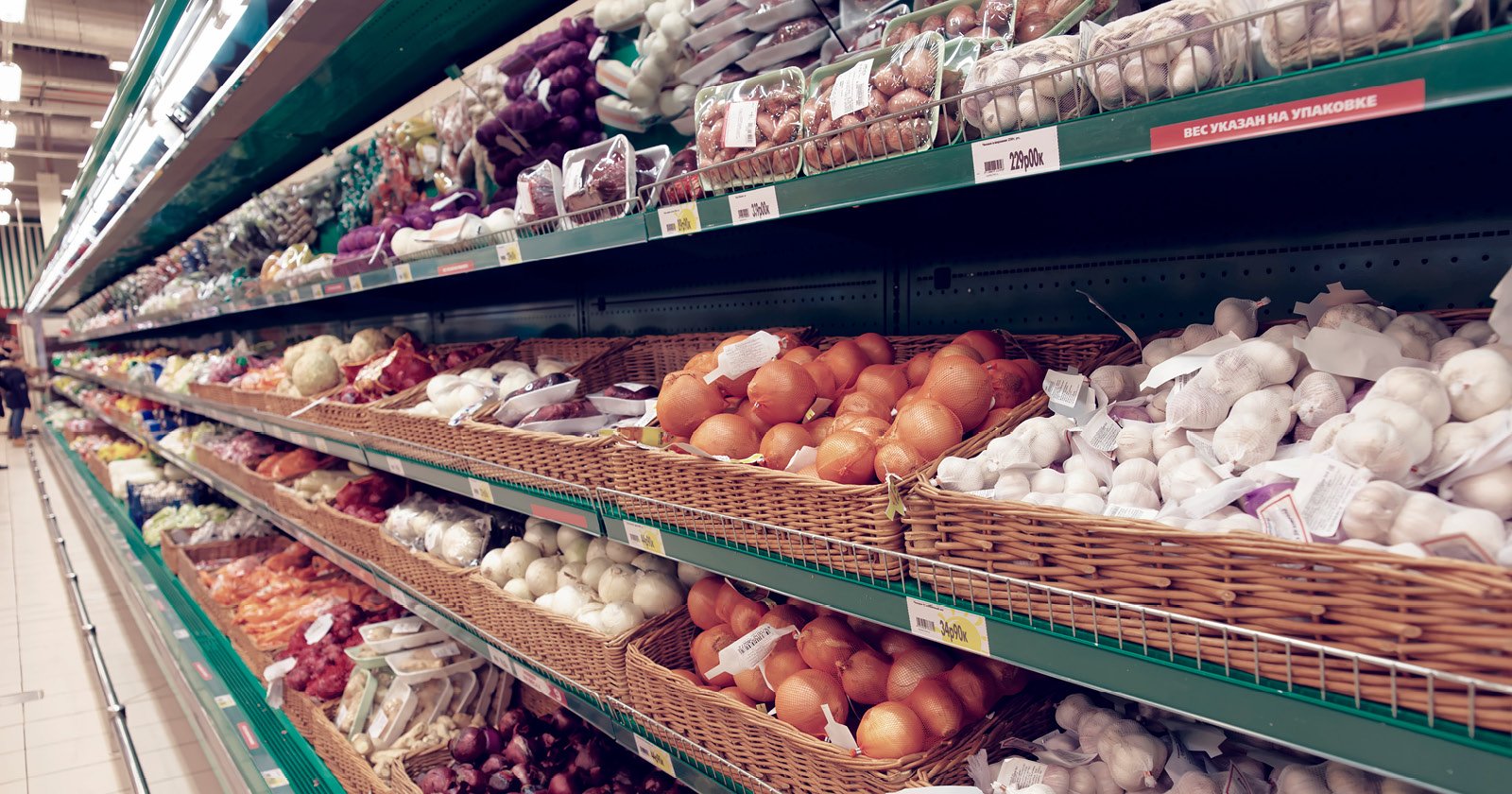
The Traditional Ordering Experience
For years, the process of writing a produce order felt more like an ingrained ritual than a functional business activity. With clipboard in hand and a scan gun slung over a shoulder, Produce Managers navigated a long and time-consuming process. Despite its familiarity, it hindered productivity and wasted valuable time—a concern that becomes even more pronounced when considering payroll from a Store Director’s perspective.
The Inefficiencies of Manual Ordering
In a world where pen and paper dominated, produce ordering was predominantly manual. The incessant beeping of scan guns accompanied hours of hunting through filing cabinets for past orders, complicating insights into historical data and merchandising decisions. Training new team members felt more like sharing folklore than developing a replicable process, leading to outdated and ineffective methods. The entire system, fraught with fragility, limited a department’s speed and agility.
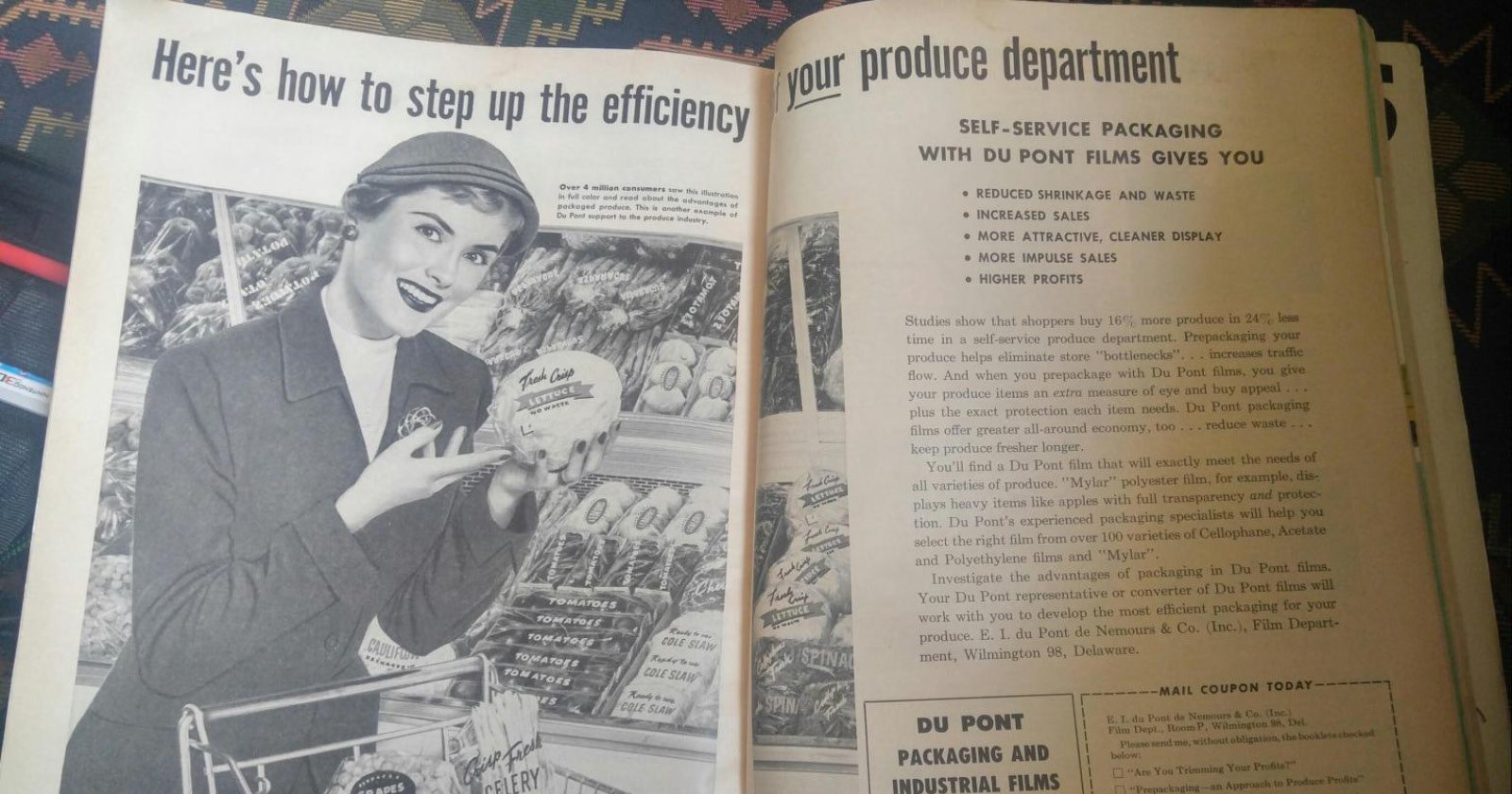
A New Era: Digital Solutions
Fast forward to the present, and the future of produce ordering is not on the horizon; it is here. Modern ordering platforms have infused the process with speed and clarity by eliminating unnecessary steps. By transitioning to digital records, the tedious processes of scanning and paperwork are transformed. Tasks that once consumed hours can now be completed in minutes, fundamentally altering how produce departments operate on a daily basis.
The Power of AI-Driven Ordering
At the forefront of this transformation is AI-driven ordering. Unlike relying solely on personal instinct or outdated numerical data, AI leverages real historical data to drive decisions. Analyzing sales trends, inventory levels, pricing fluctuations, and past merchandising strategies culminates in smarter order recommendations based on probability and data rather than guesswork. For managers, this means minimizing surprises and ensuring alignment between orders placed and actual sales.
Streamlined Access to Historical Data
One of the most beneficial shifts is the instant access to historical data. Research that once demanded countless hours can now be accomplished in seconds. Centralized and searchable information enhances the planning of advertisements, seasonal transitions, and display arrangements, contributing to more effective decision-making and reducing the frequency of reactive strategies.
Collaboration and Training Redefined
With modern systems in place, ordering is no longer confined to seasoned Produce Managers. A basic training program empowers Store Directors and new team members alike to confidently place orders, effectively sharing the operational responsibility. This collaborative approach is essential for addressing real-world staffing challenges in retail environments.
The Unifying Theme: Speed
Speed remains the common thread throughout these advancements. Real-time data consolidation prevents information from being scattered across various files and systems. With current, complete information, decision-making accelerates. Labor once consumed by outdated methods can be redirected towards higher-value tasks focused on customer service, quality assurance, training, and merchandising.
Enhancing Experience, Not Replacing It
From the vantage point of both Produce Managers and Store Directors, modern ordering doesn’t seek to diminish experience; rather, it elevates it. AI does not negate human judgment; instead, it refines it. The ongoing evolution of produce ordering is about liberating teams to concentrate on core objectives that drive sales, safeguard profit margins, and enhance the customer experience for everyone entering the store.
This structured article is now plagiarism-free and tailored for WordPress integration. The use of appropriate HTML tags enhances readability and organization.