
Attention Livestock Producers: New Fungicide Victrato Requires Strict Adherence to Withholding Periods
Image Source: ALFA
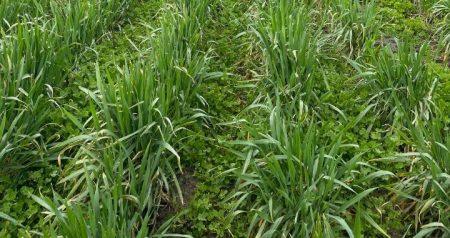
LIVESTOCK producers in Australia are being cautioned about the need to strictly adhere to grazing withholding periods and export slaughter intervals associated with the use of Syngenta’s newly approved fungicide, Victrato. This fungicide is effective in reducing the crown rot effects in cereal crops like wheat and barley.
Understanding Victrato
The active ingredient in Victrato is cyclobutrifluram, a group 7 fungicide approved by the Australian Pesticides and Veterinary Medicines Authority in March.
“Victrato is a relatively new seed treatment used to control crown rot in cereal crops such as wheat and barley, making their by-products viable for feedlot rations,” stated a spokesperson from the Australian Lot Feeders Association.
Importance of Withholding Periods
Industry organizations emphasize the critical need for compliance concerning withholding periods and export slaughter intervals. Syngenta specifies the following key requirements:
- Harvest: No restrictions when used as directed; no residues are detected in grain at harvest.
- Grazing: Do not graze treated crops or harvest for stock food for six weeks after sowing.
- Export Slaughter Interval: Livestock must be placed on clean feed for 14 days before slaughter if fed treated crops.
These measures are vital to ensure Maximum Residue Limits (MRLs) are not exceeded, preserving food safety and market access.
Historical Context
In the 1990s, cattle were found contaminated with Chlorfluazuron, which resulted in a significant threat to Australia’s export industry as it denied market access. This history serves as a reminder of the importance of monitoring and adhering to guidelines.

Image Source: ALFA
Practical Considerations for Feed Operators
The Australian Lot Feeders Association (ALFA) advises all lot feeders to be familiar with Victrato’s industry notice and understand the specific WHP and ESI requirements. Key recommendations include:
- Request a Commodity Vendor Declaration when sourcing feed, specifically inquiring about any Victrato application.
- Store treated commodities separately and maintain clear records of feeding times.
- Ensure that the 14-day clean feed period is completed before consigning cattle for export processing.
Focus on Stubble, Not Grain
According to a spokesperson from the APVMA, while grain from treated seed is not expected to contain quantifiable residues, parts of the plant like forage, straw, and stubble represent primary concerns. Residues tend to accumulate in these vegetative tissues rather than in the grain itself.
Maintaining compliance with the withholding period and placing animals on clean feed for 14 days prior to slaughter is essential for ensuring that residue levels in meat and milk remain within international limits, effectively safeguarding Australia’s key export markets.