

Dairy Beef Supply Chain: A Sustainable Approach to Calf Management in Australia
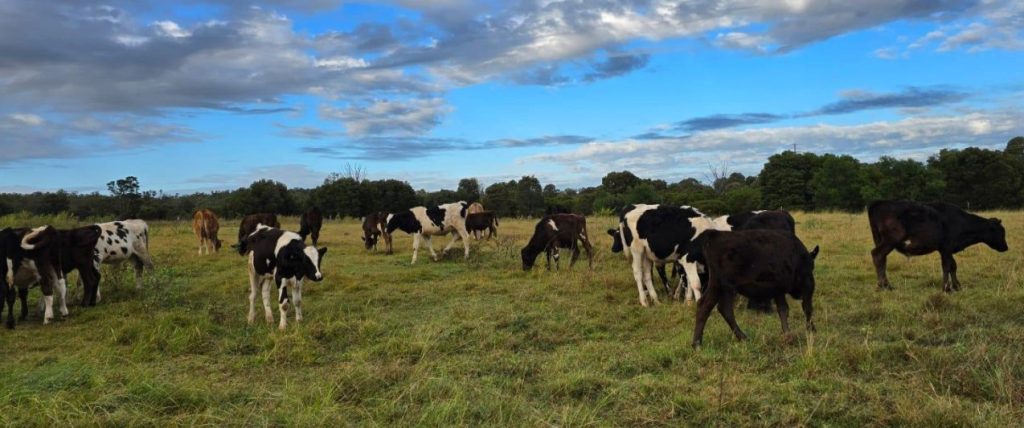
In an effort to establish a more socially acceptable market for dairy calves, Australia is diligently working to develop a sophisticated dairy beef supply chain. This initiative aims to capitalize on an underutilized resource while simultaneously enhancing beef production.
Advocacy for Dairy Beef
One of the prominent advocates for this cause, Gilbert Peckett, has dedicated the past three years to improving the dairy beef sector. With prior experience in the processing industry, Mr. Peckett focuses on maximizing the utility of every part of the carcass, fostering connections between producers and processors to bolster dairy beef development.
“We are collaborating with Semex, who are conducting extensive genetic research on Angus genetics. Our approach ensures compatibility with dairy herds while also meeting carcass quality requirements,” Mr. Peckett explained.
According to him, Holsteins and Jerseys already exhibit excellent marbling qualities, and by crossbreeding, these traits can be enhanced. “Holsteins have a substantial frame, providing ample space for meat yield. When we introduce beef genetics, we significantly increase their mass, resulting in a product that performs remarkably well in feedlots,” he added.
Addressing the Bobby Calf Euthanasia Challenge
A vital driving force behind the dairy beef movement is the aim to find a socially acceptable market for surplus calves in the dairy industry. Recognizing this necessity, Dairy Australia has set an ambitious goal to eliminate on-farm euthanasia of bobby calves by 2035.
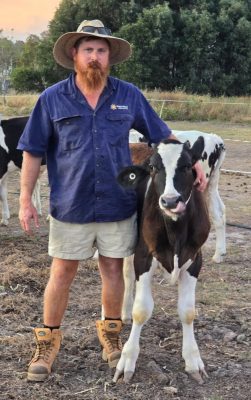
Dairy beef advocate, Gilbert Peckett.
“No one finds the bobby calf market or on-farm euthanasia acceptable. By developing alternative pathways for these calves, we align the interests of the dairy and beef industries while also catering to consumer preferences,” Mr. Peckett asserted.
Global Perspectives and Future Potential
Although dairy beef is a globally recognized concept, Australia’s understanding remains limited. “Many Australian consumers associate dairy beef exclusively with cull dairy cows, which isn’t accurate. A well-finished dairy steer can yield exceptional meat quality,” Mr. Peckett stated.
He noted that significant strides have been made in monitoring calf nutrition. “With enhanced colostrum quality and probiotics, these calves are receiving optimal care. Their consistent handling from birth contributes to their calm demeanor, further improving meat quality.”
Mr. Peckett is collaborating with Farmers Choice Meats to bring this dairy beef to market, aiming to attract consumers through its ethical production credentials.
“I believe our short-term strategy for penetrating the domestic market will be to promote Angus dairy crosses, with aspirations for straight dairy offerings in the future,” he added.
This article is structured for easy readability and suitable for integration into a WordPress site, featuring proper headings and paragraph formats.

