
Embracing Organic Farming: A Path to Sustainability and Legacy
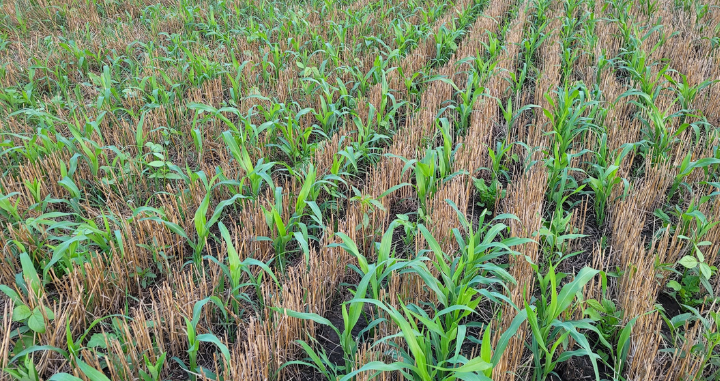
As Tom Schwarz, a 5th-generation farmer from southern Nebraska, poignantly states, “I used to write checks to chemical companies. Now I write them to my kids.” This shift encapsulates the advantages of organic farming, a journey that began for the Schwarz Family Farm in 1988. Together with his wife and two children, Tom cultivates a diverse range of crops, including corn, soybeans, wheat, field peas, alfalfa, oats, and a variety of cover crops. He recently shared insights at the Transition to Organic Farming Conference, hosted by the University of Nebraska, Lincoln, alongside fellow organic farmers.
A Tradition of Resilience in Rural Nebraska
Farming is a longstanding tradition for many in rural Nebraska, and the organic farmers on this panel are no exception. Each brings with them a rich history alongside a deep understanding of the agricultural landscape, developed over decades of experience. These farmers represent families that have been cultivating hundreds to thousands of acres—some owned, many rented—in various stages of leases.
The Shift to Organic: A Strategy for Growth
What sets this group apart is their decision to transition a portion of their enterprises to certified organic production. This shift has become pivotal for many of them as they navigate the legacy of farming that has weathered the farm crises of the 1970s and 80s. For these farmers, organic practices are not just a trend; they represent a viable path toward sustainability and profitability. It offers a chance to pass down a farm operation that is not only better and safer but also more financially rewarding for the next generation.
Conclusion
In the ever-evolving agricultural landscape, organic farming has emerged as a beacon of hope and resilience. For families like the Schwarz’s, it symbolizes a commitment to sustainable practices that honor their heritage while also ensuring a thriving future for their children. As the voices of tradition speak at conferences and community gatherings, it becomes clear that the future of farming, rooted in organic practices, holds the promise of longevity, health, and profitability.

