

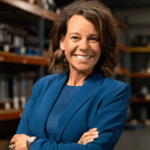
The Heartbeat of Food Manufacturing: Insights from Kate Rome, CEO of Rome Grinding Solutions
Grinding may seem like a minor component in food manufacturing, yet for Rome Grinding Solutions, it represents the heartbeat of their production line. The functionality of grinders impacts product quality, yield, sanitation, uptime, and worker safety—crucial factors as processors are now expected to manage an increasing variety of SKUs while adhering to stricter budgets.
As a fourth-generation, family-owned U.S. business, Rome Grinding Solutions has thrived by honing a focus on grinders and the teams that operate them. CEO Kate Rome, with nearly 30 years of experience in the industry, is committed to a culture of sustainable equipment, strong relationships, and resilience in the face of market changes.
Key Challenges in Food Manufacturing
Q: What shifts in production or customer expectations are currently impacting your business?
Kate Rome: We observe two significant shifts affecting our clients. First, there’s an urgent demand for higher volumes and more SKUs without additional capital investment. Secondly, the standard for food safety must never be compromised. As a result, we constantly explore how to design equipment that is both safe and easily interchangeable, helping to control foreign materials while remaining efficient.
Understanding Lifecycle Costs
Q: What do manufacturers often misunderstand about equipment investment, especially regarding lifecycle cost?
KR: Many overlook a system-level perspective. The true costs emerge over time through unplanned downtimes, lack of spare parts, or inadequate equipment for diverse products. The allure of “cheap” equipment often disregards total ownership costs, leading to long-term inefficiencies.
Forward-Thinking Equipment Strategy
Q: What distinguishes a forward-thinking equipment strategy from reactive solutions?
KR: Reactive fixes typically arise because a company has delayed equipment upgrades due to budget constraints. Forward-thinking clients proactively assess their future growth and product lines. They focus on optimizing their current machinery rather than relying on quick fixes.
Smart Decision-Making Factors
Q: How do parts availability and maintenance impact grinder decisions?
KR: Customers often assume that parts will always be readily available. However, anticipating potential downtime costs is essential. Sanitation design and maintenance access should also be prioritized to ensure efficiency and safety on the production floor.
Building Trust through Relationships
Q: What leadership principles guide Rome Grinding Solutions?
KR: Our focus is on cultivating long-lasting relationships and high-quality equipment. Open communication with our clients has been a cornerstone of our business for 45 years, and we emphasize building trust through transparency and quality.
Evolving Philosophies Amid Change
Q: How have philosophies evolved across four generations of leadership?
KR: The ability to pivot quickly has become essential. Presently, we embrace resilience, creativity, and transparency in our decision-making processes.
Shaping Leadership Through Diversity
Q: How does being a woman in a male-dominated field influence your leadership approach?
KR: Being in the minority pushes me to excel and be accountable. Leadership principles remain universal—hard work, clarity, and open communication are fundamental regardless of gender.
Fostering Innovation and Customer Engagement
Q: Have your perspectives shifted the way Rome engages with customers and innovates?
KR: My leadership style is proactive; I encourage creativity and trust among our team. We strive to evolve continually and welcome new ideas that push us forward.
Navigating Disruptions Effectively
Q: What factors distinguish manufacturers who effectively navigate disruptions from those who struggle?
KR: Companies that standardize their operations and invest in cross-training employees are better positioned to manage disruptions. This strategy minimizes the impact of changes and turnover.
Preserving Institutional Knowledge
Q: How can operations protect institutional knowledge as experienced staff retire?
KR: Promoting knowledgeable employees and providing them with new challenges is essential. Retaining talent and creating opportunities to develop leadership skills ensures valuable knowledge remains within the organization.
Resilience: Mindset vs. Infrastructure
Q: Does resilience stem more from mindset or infrastructure?
KR: It’s a blend of both. A solid infrastructure alongside a creative and adaptable mindset equips companies to face challenges effectively.
Innovations Shaping the Future
Q: What new developments excite you in the realm of grinding equipment?
KR: We’re introducing the “Colossus”—a state-of-the-art grinder that combines multiple functions into a single machine. Additionally, we’re enhancing our training programs to include hands-on training and practical applications.
ROI on Innovations
Q: Which innovations will yield the fastest ROI for processors?
KR: Investing in training delivers immediate results in safety and performance, while equipment upgrades often require more time for returns.
Future Opportunities for Manufacturers
Q: Where do you see the biggest opportunities for food manufacturers?
KR: The key lies in enhancing capacity while minimizing waste and ensuring safety. We’re seeing a demand for simplicity in technology, which opens avenues for clearer operational expectations.
Investment Insights for Executives
Q: What should plant executives prioritize for next year’s investment?
KR: Employee safety should always be the top priority. Investments in safety upgrades not only enhance protection but also improve overall performance in the production line.

