
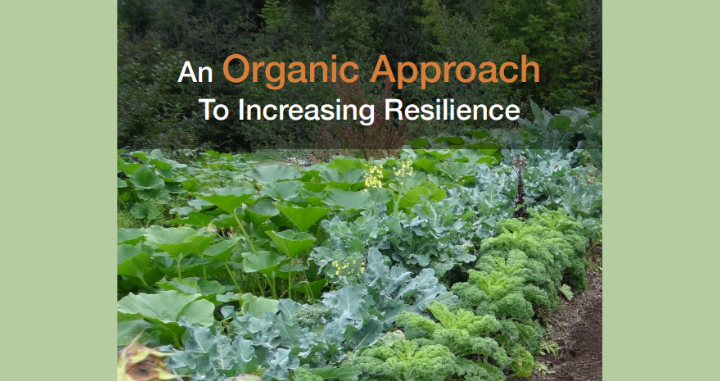
Adapting Agriculture: Building Resilience Against Climate Change
Farmers today face unprecedented challenges as climate change manifests through increasing weather volatility. This reality is not lost on those immersed in agriculture, who witness firsthand the toll of historic droughts, wildfires, flooding, and hurricanes on their livelihoods. Many are experiencing variable yields, heightened pest and disease pressures, and worsening soil conditions, including erosion and compaction.
The Impact of Climate Change on Farming
Climate change poses a significant threat to not only the productivity of farms but also to the very sustainability of farming practices. As extreme weather events become more frequent, farmers confront dwindling crop yields and increased costs associated with recovery and adaptation. The ripple effects extend beyond individual farms, impacting local economies and food security.
Embracing Sustainable Practices
In the face of these daunting challenges, many farmers are turning to organic and sustainable practices to enhance their resilience. By focusing on building soil health, farmers can mitigate the risks posed by climate change. Techniques such as cover cropping, crop rotation, and reduced tillage can help establish optimal soil organic matter (SOM) and boost biological activity, ultimately enhancing the overall health of farming operations.
Strategies for Building Soil Resilience
While approaches may vary based on specific operations, the following strategies can be integral to improving soil health:
- Cover Cropping: Planting cover crops during off-seasons can prevent soil erosion, suppress weeds, and improve soil structure.
- Crop Rotation: Alternating different crops can help break pest cycles and replenish soil nutrients.
- Reduced Tillage: Minimizing soil disturbance preserves soil structure and promotes healthy microbial life.
- Composting: Adding organic matter back into the soil can enhance fertility and water retention.
The Future of Farming
As we move forward, the importance of sustainable agricultural practices will only grow. By adopting methods that prioritize soil health, farmers can not only ensure the resilience of their operations but also contribute to a more sustainable food system that is better equipped to withstand the impacts of climate change. The journey may be challenging, but with the right practices in place, a more resilient farming future is within reach.
This article is structured with clear headings and a logical flow, ensuring it engages readers while remaining compatible for WordPress integration.

