
Addressing the Need for Technical Assistance in Integrated Crop-Livestock Systems
The Office of the Organic Farming Research Foundation (OFRF) highlighted a critical concern in its 2022 National Organic Research Agenda (NORA): the scarcity of technical support and educational resources for Integrated Crop-Livestock Systems (ICLS). Organic farmers and ranchers across North America have expressed the necessity for better guidance as they strive to integrate crops and livestock into their operations.
The Benefits and Challenges of ICLS
Integrating crops and livestock offers numerous advantages, such as improved soil health, diversified income streams, and enhanced farm resilience. However, many farmers face increased complexity in their operations, particularly as they work to comply with the stringent regulations set forth by the National Organic Program. The integration process can be daunting, making the need for accessible resources and technical assistance even more crucial.
Insights from Experienced Organic Farmers
To address these challenges, a series of resources focused on Crop-Livestock Integration has been developed. These resources drew inspiration from interviews with four seasoned organic producers, who willingly shared their experiences, challenges, successes, and invaluable advice aimed at those looking to merge crops and livestock on their organic farms.
Featured Case: Frog Song Organics
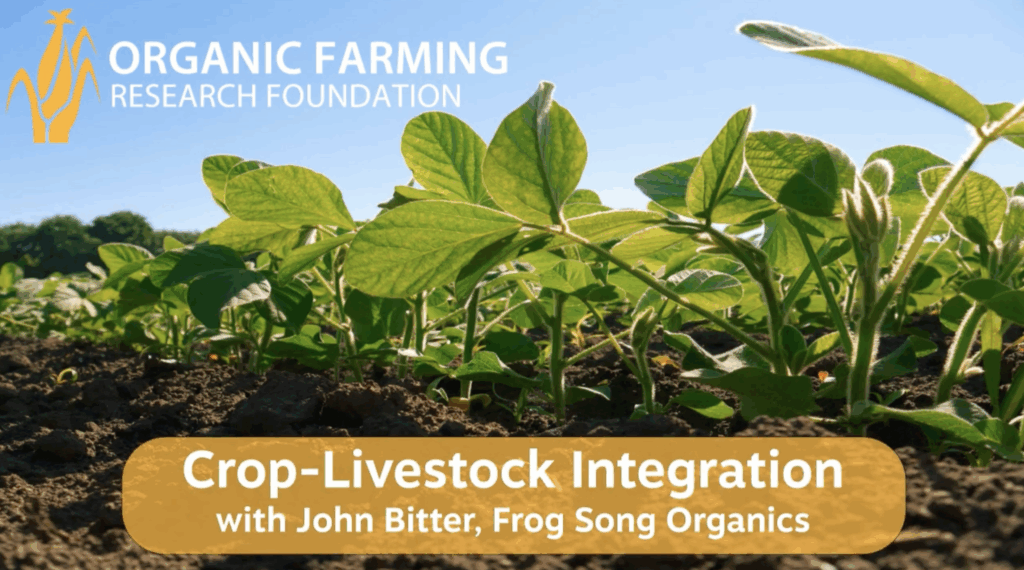
One notable example of successful integration is Frog Song Organics, managed by John Bitter, who is both the Production Manager and co-owner. Located on 62 acres in North Florida, Frog Song is a diversified organic farm that produces a wide array of products, including vegetables, orchard crops, herbs, flowers, pork, and eggs. The farm employs approximately 30 full-time workers and caters to both direct and wholesale markets in nearby cities, in addition to running an online customizable Community Supported Agriculture (CSA) program.
In our exclusive interview, John discusses the integration of crop and animal production systems at Frog Song, shedding light on the strategies that have contributed to the farm’s thriving success.
Conclusion: The Path Forward
As organic farming continues to grow, the integration of crop and livestock systems will play a pivotal role in the sector’s sustainability and resilience. By sharing insights from experienced producers and creating accessible resources, the agricultural community can better support organic farmers in this critical endeavor. Strengthening the technical assistance and educational frameworks surrounding ICLS will pave the way for more successful and sustainable organic farming practices.
This article is structured with appropriate HTML tags, making it suitable for seamless integration into WordPress while ensuring readability and engagement for the audience.

