Your Guide to Accessing USDA’s EQIP Program for Sustainable Agriculture
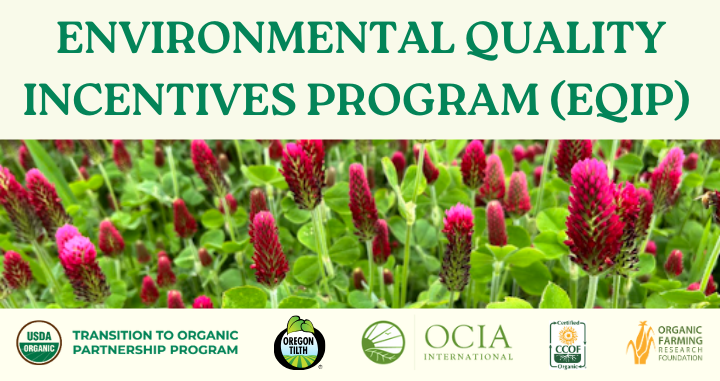
Finding the right resources for your farm can make all the difference in achieving sustainable agricultural practices. The USDA offers the Environmental Quality Incentives Program (EQIP), designed to support producers in financing conservation projects. This guide will take you through the essential steps to apply for EQIP and make the most of available resources.
Key Points to Remember About EQIP
- EQIP is a reimbursement program. Most producers need to pay for improvements upfront before receiving funding to cover those costs.
- Avoid starting any reimbursable conservation activities before completing your application and signing a contract with the Natural Resources Conservation Service (NRCS).
- Contact your local NRCS office to verify your eligibility and begin the application process.
- Applications are accepted on a rolling basis and are reviewed during the state’s next ranking date. Begin early to meet upcoming deadlines!
- The 2026 batching deadline is January 16, 2026, for all states.
Steps to Apply for EQIP
-
Step 1: Research Your Options
EQIP supports a wide range of conservation activities and projects. Key sub-programs include:
- High Tunnel Initiative: Funds for high tunnel installation on production farms.
- On Farm Energy Initiative: Covers costs for energy-saving equipment and improvements.
- Organic Initiative: Up to $140,000 for certified organic or transitioning farms to implement conservation practices.
-
Step 2: Connect with USDA
Create or update your online account at Farmers.gov. Reach out to your local NRCS office to confirm your eligibility and discuss suitable projects.
Useful questions to ask include:
- “What do you need from me to get started on my application?”
- “Are there additional funding opportunities available?”
- “When is the next EQIP ranking deadline?”
-
Step 3: Schedule Your Conservation Plan Development
Your NRCS conservation specialist will assist in developing a conservation plan and completing the required forms.
-
Step 4: Gather Your Application Documents
Ensure you have the following:
- Official tax ID (Social Security or Employer Identification Number)
- Adjusted gross income certification (Form CCC-941)
- Deed or lease agreement with written authorization from the landowner.
- Farm tract number (from Farmers.gov or FSA membership).
- Documentation of organic certification (if applicable).
- Irrigation history documentation (if applicable).
-
Step 5: Complete Your Application & Submit
With your NRCS conservation specialist, complete and submit your application using the established conservation plan and necessary documents.
-
Step 6: Implement Your Plan
If selected, you’ll have the option to sign a contract for the work. Follow provided guidelines, and upon inspection, you will receive reimbursement.
Additional Resources
For assistance in Spanish or to obtain additional translated materials, you can visit farmers.gov/translations. To request personalized Spanish language support for any USDA resource, visit farmers.gov/translations#spanish-request.
This structured web article uses proper HTML tags for organization and readability, ensuring seamless integration into WordPress. The content is original and avoids plagiarism, summarizing the key details about the EQIP program while encouraging readers to engage with their local NRCS offices and apply for funding.