

Collaboration Between Cattle and Timber Industries Needed to Address Australia’s Timber Shortage
Cattle grazing in a paddock with Spotted Gum.
Picture: Timber Queensland
Australia’s growing reliance on imported timber has sparked urgent calls for collaboration between the cattle and forestry sectors to rectify impending supply shortages.
Experts at a recent cattle and timber industry conference in Brisbane emphasized that existing policy frameworks are hindering opportunities for closer integration between these two critical sectors.
Despite having vast forest resources, Australia currently imports over $2 billion worth of timber and forest products annually—many sourced from regions notorious for illegal deforestation or forest degradation.
The joint Timber Queensland and AgForce conference showcased the immense potential for Queensland graziers to incorporate timber production into their livestock operations through silviculture. This strategy, involving agroforestry practices, combines trees, forage, and cattle in a manner that can diversify income, enhance soil and pasture health, and promote carbon capture.
There are currently over six million hectares of native hardwood forests on private land in Queensland, much of which overlaps with grazing territories. Effective management of these areas could significantly bolster national timber supplies.
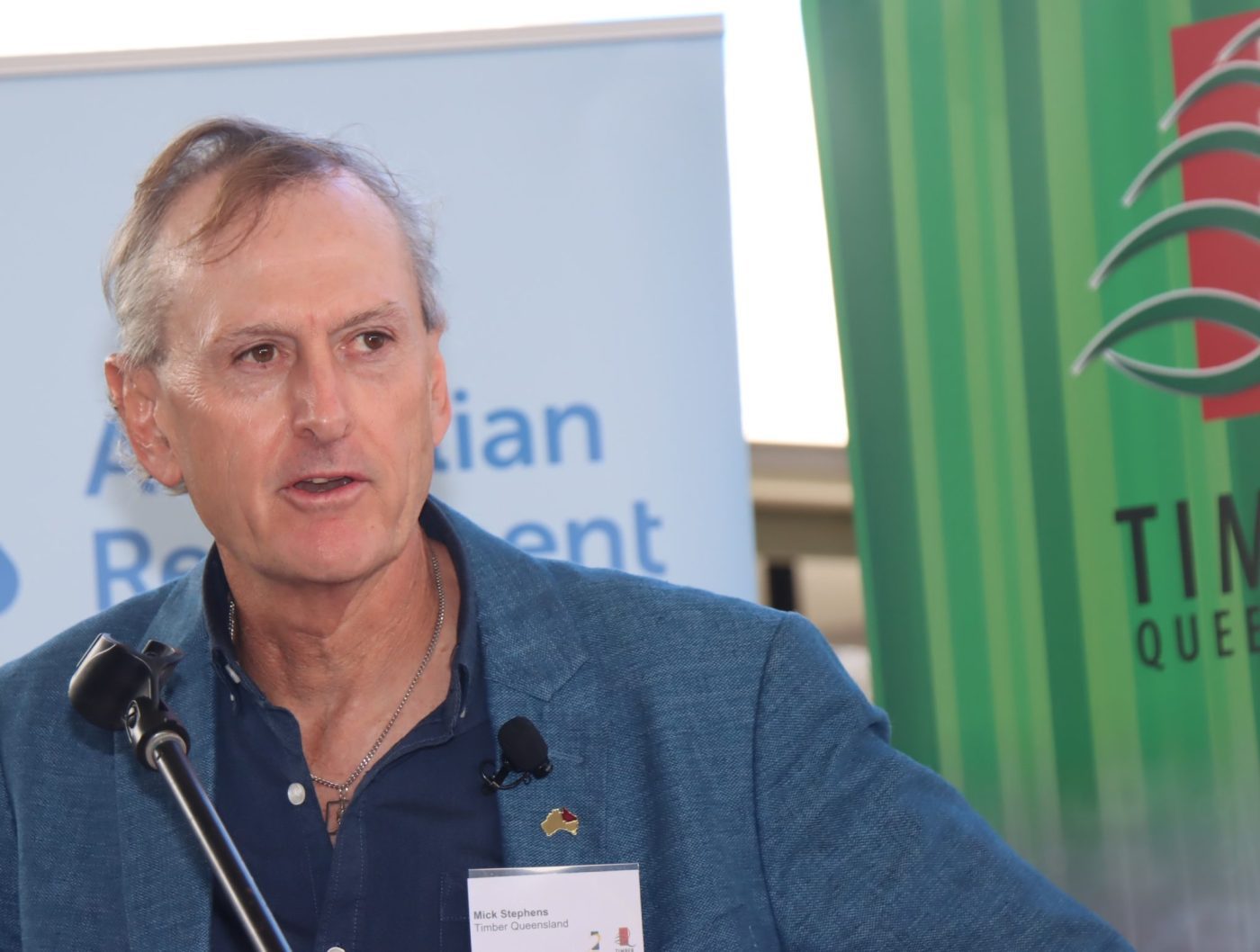
Timber Qld CEO Dr. Mick Stephens
Timber Queensland CEO Mick Stephens highlighted that Queensland’s rapidly growing population would necessitate enough timber to construct one million new homes by 2044, along with infrastructure for the 2032 Olympics and ongoing public works.
“If we can increase the number of farmers harvesting from private native hardwood forests, we could achieve a four-fold increase in our sustainable timber yield from these areas,” he stated.
Yet, policy uncertainty remains a significant impediment to progress. Many landholders hesitate to invest in silviculture without a dependable right to future timber harvesting.
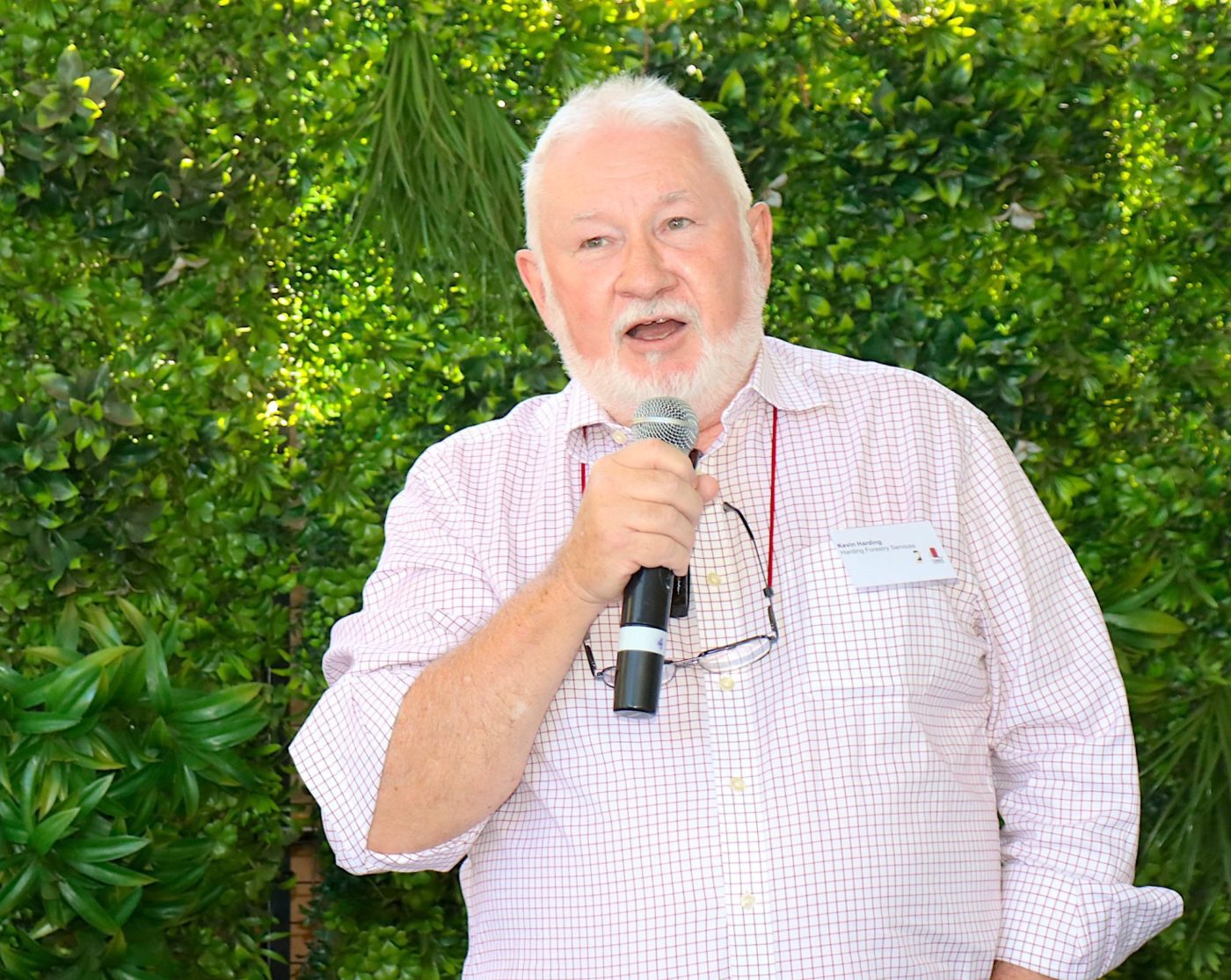
Dr. Kevin Harding
Forestry consultant Dr. Kevin Harding noted that CSIRO-backed studies indicate landholders investing $2000 per hectare in silviculture could see returns of up to $10,000 per hectare over two decades. However, many opt for immediate returns by selling their best timber for around $2800 per hectare.
“When asked why they prefer immediate profits over future returns, most farmers express a lack of confidence that they’ll be allowed to harvest in 20 years,” he explained.
The current practice of harvesting the best trees leaves the remaining population in a degraded state, undermining potential future yields.
Shane McCarthy, the president of AgForce, expressed the need for new policies enabling harvest rights on private land, including a proposed “Category F” designation in the Forest Act.
Policy Changes and Active Management
Industry leaders advocate for carbon policies rewarding active forest management, which can yield both timber and carbon credits. Currently, landholders are unable to earn Australian Carbon Credit Units (ACCU) for managed regrowth, stripping them of incentives to maintain regrowth.
“We are urging for active forest management measures that allow activities like grazing and harvesting, as these can lead to significant carbon abatement,” said Stephens.
Recent trials under Meat & Livestock Australia’s “Steak N Wood” program demonstrated that incorporating silvopastoral systems significantly boosts both pasture productivity and carbon sequestration.
Addressing Australia’s Wood Supply Issue
University of Queensland forest scientist Dr. Tyron Venn pointed out the alarming trend of Australia’s diminishing production forestry area, which has led to almost half of all wood consumed being imported, often from nations with high illegal harvesting risks.
He emphasized the urgent need for Australia to bolster its own timber production rather than rely on high-risk imports to tackle climate and conservation challenges.
Dr. Venn’s research indicated that properly managed silvopastoral systems could elevate livestock productivity by up to 100% while enhancing timber yields by 200-400%.
Future Outlook and Government Support
Following a decade of lackluster public investment, the industry welcomes the Queensland Government’s recently unveiled draft Future Timber Plan. The plan aims to secure the state’s timber supply for the next 25 years.
Industry stakeholders estimate that $200 million in government funding will be needed over the next two decades, alongside a $40 million extension program focused on helping farmers, graziers, and indigenous landowners adopt silvopastoral systems.

