
JBS Implements Mandatory Pre-Vaccination Program
In a recent development, JBS, one of the leading beef producers, has introduced a mandatory pre-vaccination program for their cattle. This initiative aims to enhance the overall health and well-being of the animals while also ensuring the quality of the final meat products. By implementing this program, JBS is taking proactive steps to prevent diseases and minimize the need for antibiotics, ultimately promoting sustainable and responsible farming practices.
Benefits of the Pre-Vaccination Program
The mandatory pre-vaccination program implemented by JBS offers several benefits. Firstly, it helps in boosting the immune system of the cattle, making them less susceptible to diseases. By vaccinating the animals before they are exposed to potential pathogens, the risk of infections is significantly reduced. This, in turn, leads to healthier cattle and higher-quality meat products.
Furthermore, the pre-vaccination program can also contribute to reducing the need for antibiotics. By preventing diseases through vaccination, the reliance on antibiotics for treatment is minimized. This aligns with JBS’s commitment to sustainable and environmentally friendly farming practices, as the overuse of antibiotics can lead to antibiotic resistance and environmental pollution.
Backgrounding Cattle to Reduce Health Issues
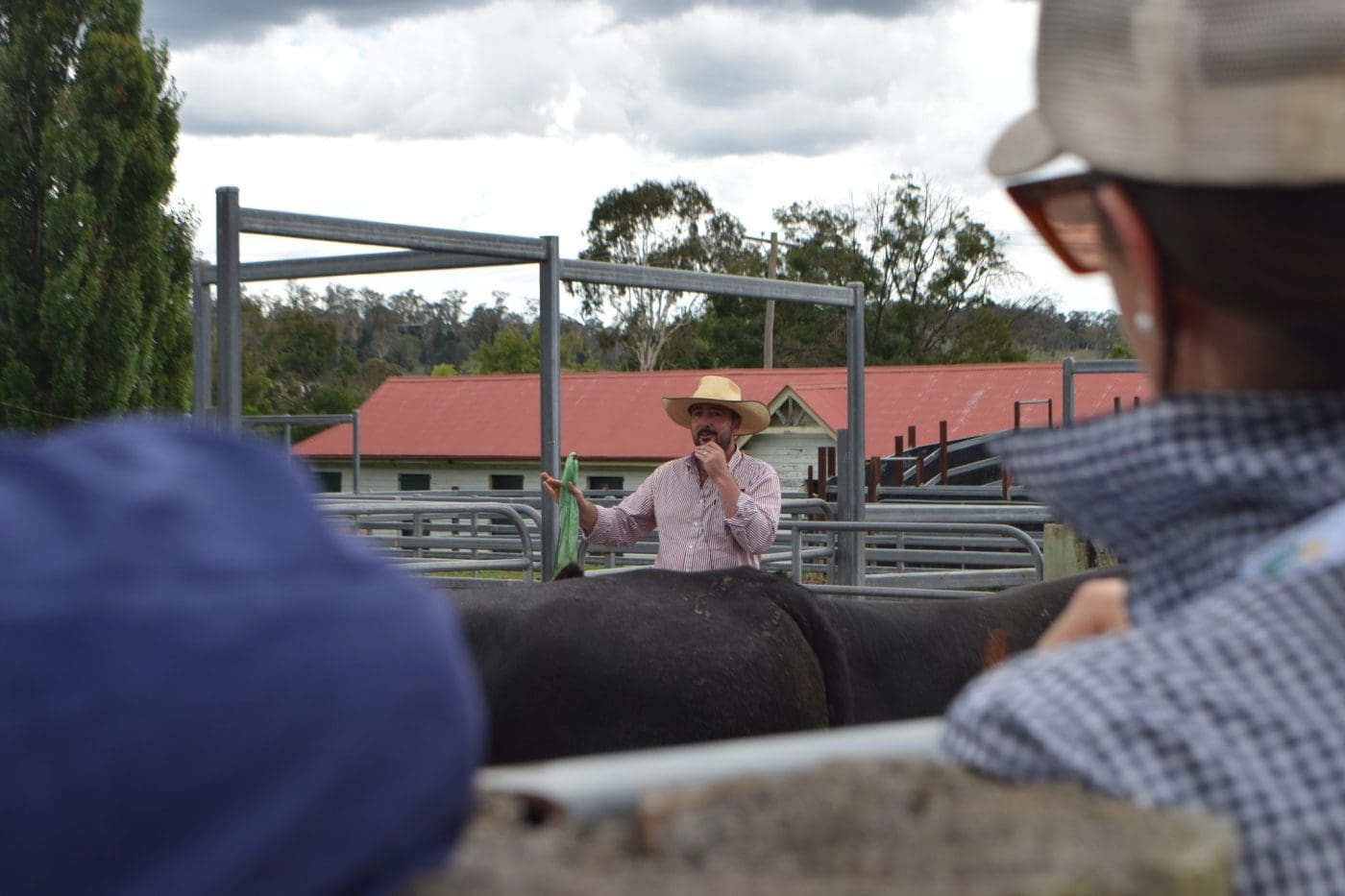
Another interesting presentation from Rangers Valley highlighted the benefits of backgrounding cattle. Cattle that undergo backgrounding, a process that involves acclimating them to a new environment and diet before entering the feedlot, are found to have fewer health issues. This is attributed to the fact that backgrounding helps in reducing stress and improving the overall health and immunity of the animals.
By focusing on backgrounding, cattle producers can ensure that their animals are better equipped to handle the transition to the feedlot, resulting in improved health outcomes and reduced incidences of diseases. This approach not only benefits the cattle but also contributes to the overall sustainability and efficiency of the beef production process.
Conclusion
The implementation of a mandatory pre-vaccination program by JBS and the emphasis on backgrounding cattle by Rangers Valley underscore the importance of proactive measures in ensuring the health and well-being of livestock. By prioritizing preventive healthcare practices and sustainable farming methods, companies in the beef industry can not only improve the quality of their products but also uphold ethical and responsible standards in animal welfare. These initiatives serve as a testament to the industry’s commitment to sustainable practices and continuous improvement in animal husbandry.



