

Innovative Approaches to Combat HPAI Through Mealworm Vaccination
Research teams at Kansas State University (KSU) are pioneering a groundbreaking method to mitigate the impacts of highly pathogenic avian influenza (HPAI) — a significant menace to animal health and food security across the globe. This innovative approach incorporates mealworms as a means of delivering vaccines within poultry feed.
Addressing a Critical Issue
The urgency of this research stems from the devastating potential of HPAI. “In just 48 hours, the virus can obliterate an entire flock in a conventional poultry house,” remarked Laura Miller, an associate professor specializing in veterinary virology, immunology, and genomics.
Recent history tells a cautionary tale: over 413,000 birds in Kansas have fallen victim to this virus since late 2025; notably, a single commercial operation in Pottawatomie County lost approximately 360,000 birds.
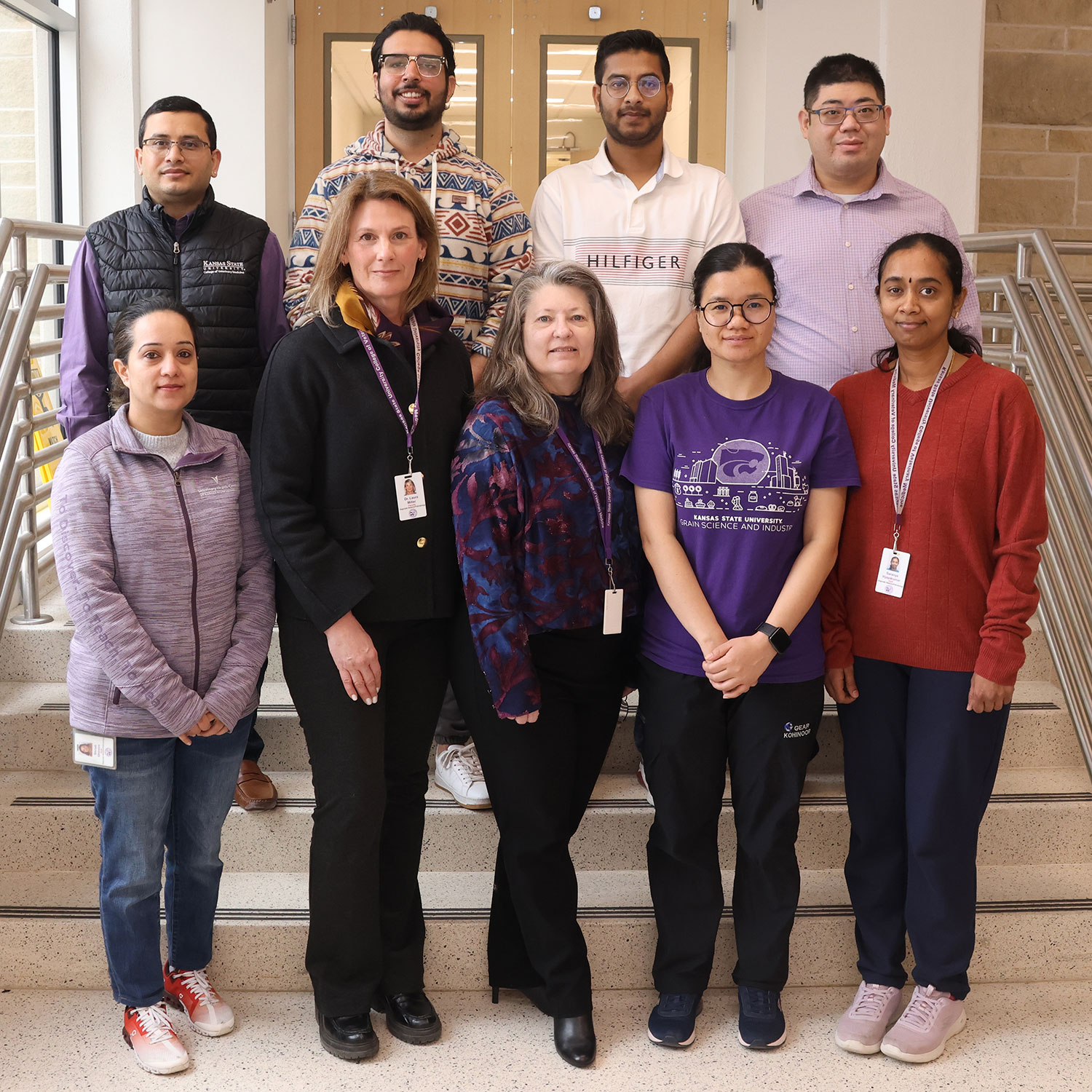
To combat the rapid spread of HPAI, the federal and state governments mandate the immediate culling of infected flocks. In alignment with this directive, the USDA’s Animal and Plant Health Inspection Service (APHIS) has allocated $100 million to support innovative initiatives focusing on prevention, vaccine development, and various other mitigation strategies.
Among the numerous proposals submitted, Miller’s project titled “Insects for Antigen Production and Delivery: A Novel Oral Vaccination Platform for Highly Pathogenic Avian Influenza in Poultry” emerged victoriously, receiving nearly $2 million in funding.
Transforming Mealworms into Vaccine Delivery Systems

“We are training students on the tools of the future while simultaneously building an industrial insect-farming framework. We are preparing graduates for high-demand careers in biosecurity and animal health.” – Laura Miller
Miller emphasized that the insect-based oral vaccine serves as a feed supplement, enabling wide-scale protection for poultry without the physical stress associated with manual handling. “Mealworms are not only a natural diet for poultry but also act as biological manufacturing units for vital vaccine components,” she explained.
The initiative aligns with the goals of K-State’s Insect Farming Initiative, aimed at promoting agricultural sustainability through insect farming. Oppert, an adjunct professor in entomology, noted that this research could significantly influence treatments for other animal diseases.

Collaborative Efforts Enhance Research Agility
A critical aspect of this research is its adaptability. With advancements in gene editing technology, the team aims to align their vaccine’s effectiveness with evolving virus strains rapidly. Miller noted, “Our innovative platform enables adjustments that traditional systems cannot match, ensuring continued protection for poultry.”
The collaboration with North Carolina State University allows for gene editing and immune response validation, while Kansas State’s Biosecurity Research Institute, one of the few BSL-3 Ag facilities in the U.S., will conduct high-containment challenge studies.
Broader Implications for Public Health and Agriculture
This research not only aims to protect poultry but also has wider implications for consumers and public health by stabilizing poultry and egg prices and minimizing the risk of the virus spilling over to humans. The CDC continues to monitor cases, maintaining a report of low risk to the public.
The initiative also emphasizes student training in modern tools, preparing them for roles in this evolving field of biosecurity.
For more on this exciting research, click here to watch the Biomanufacturing Training and Education Initiative supporting Kansas’s biomanufacturing future.
Source: Kansas State University

