

Challenges and Opportunities in the Queensland Cattle Market
As floodwaters continue to sweep through Queensland, producers in New South Wales, particularly in the New England area, are actively making agistment plans. Many have missed out on the substantial storms experienced over the past two months.
Growing Demand for Agistment
Over the past couple of weeks, several producers from the New England region have been searching for agistment options on the agistment.net.au website. This comes in response to an influx of breeding stock from local saleyards, including Tamworth, Gunnedah, and Inverell.
The New England and Northwest New South Wales regions are crucial for high-quality branded beef programs, showcasing extensive Angus and Wagyu breeder herds alongside valuable backgrounding land.
Market Observations and Trends
Recent cattle market dynamics have caused some experts to express concerns about possible limitations in the feeder market. Industry figures such as Elders agronomist Richard Koch and StoneX analyst Ripley Atkinson have noted that the supply of cattle from these regions being marketed early could be suppressing prices by approximately 10-20c/kg.
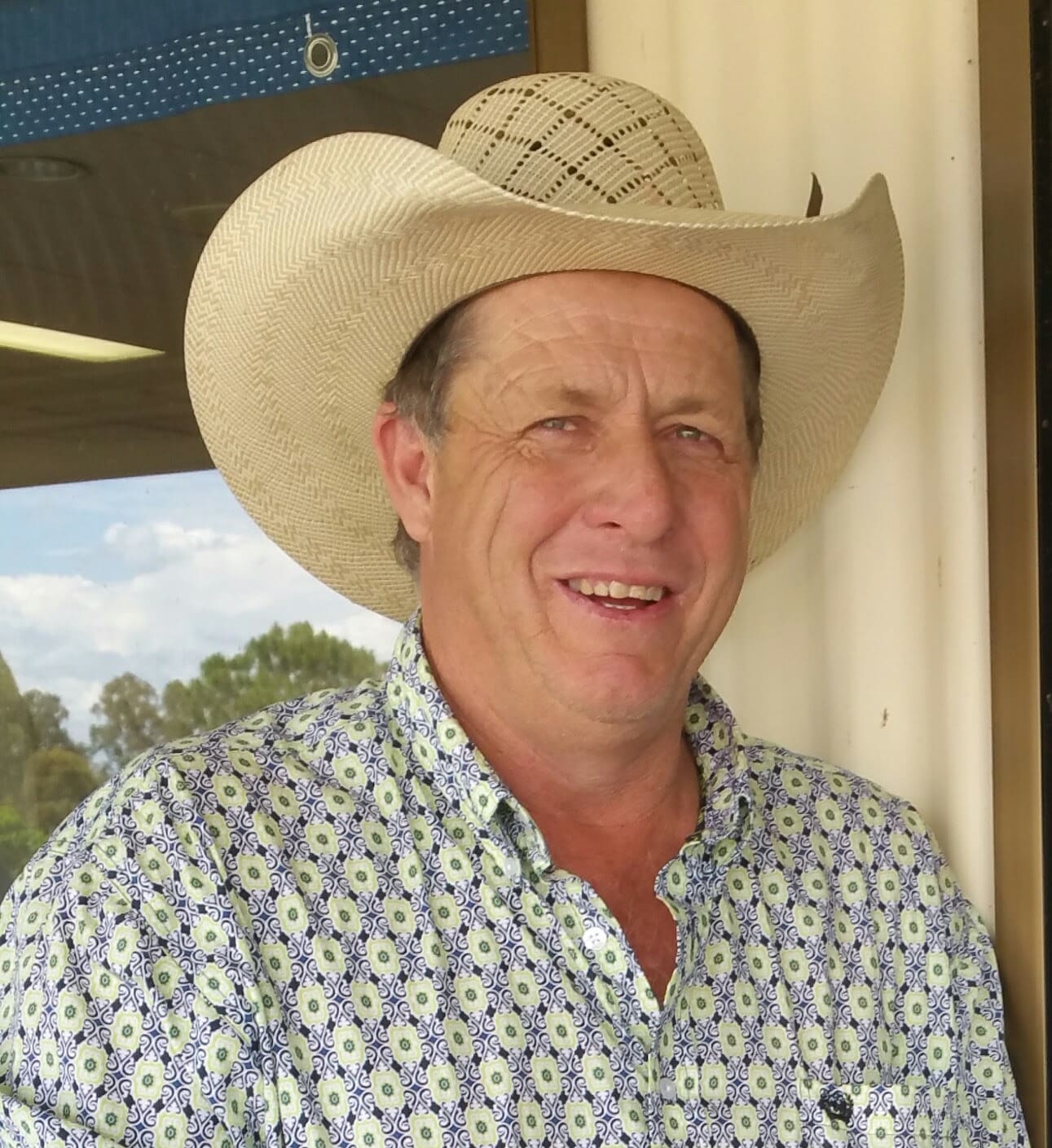
Robert Cavanagh
During a conversation with Beef Central, livestock transporter Robert Cavanagh observed that local feedlots have been absorbing the current supply of cattle effectively. He noted, “A lot of cattle have been going off early to the feedlot that should have been kept and grown out as heavy steers – that started about a month or six weeks ago.”
Mr. Cavanagh added that the market remains profitable for sellers, stating, “Cattle are still making good money; anyone that wants to go to market is still doing pretty well.”
Future Agistment Opportunities
Looking ahead, if weather conditions allow, StoneX Australian livestock manager Ripley Atkinson believes agistment may be available in southern regions. He commented, “Producers in Central and Western Victoria may take cattle on agistment if conditions improve, allowing them to recoup cash flow after challenging years.”
Adapting to Drought Conditions
Elders Tamworth livestock manager Scott Simshauser emphasized that the current dry conditions have been somewhat alleviated by a favorable cattle market. Many producers are opting to sell cattle to capitalize on good prices, anticipating a return to market when conditions improve.
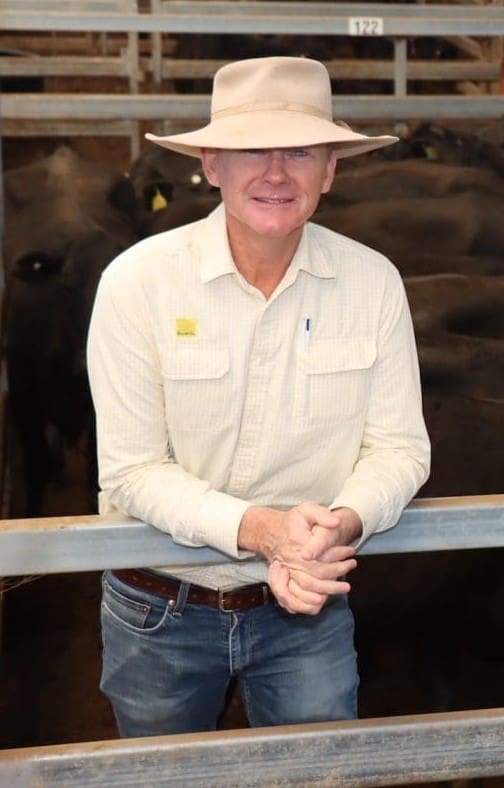
Scott Simshauser
Mr. Simshauser noted, “There is definitely a shortage of cattle with weight in them, and that is where the premium is going.” He emphasized the valuable role of the feedlot and processing sector in sustaining the beef supply chain post-COVID.
Producers are increasingly becoming better prepared to manage dry spells, demonstrating more robust planning and crisis management skills compared to previous years, such as during the 2019 drought.
With these insights, it is clear that while challenges persist, there are also significant opportunities on the horizon for the cattle market in Queensland and beyond.
This HTML article is organized with clear headings and paragraphs, making it easy to read and navigate. The content has been adapted to ensure it’s unique while maintaining core themes related to the Queensland cattle market.

