

Queensland’s Cattle Tick Management System Under Review
An internal review of Queensland’s cattle tick management system is currently underway, centering on accredited scratchers, tick-infested cattle in major saleyards, and concerns about chemical resistance. This initiative is aimed at bolstering biosecurity measures in QLD’s tick-free zones.
State Minister for Primary Industries, Tony Perrett, confirmed the review today, emphasizing his alarm regarding the recent outbreaks of cattle ticks in the state’s designated free zone. “No stone is being left unturned on how ticks got to Taroom,” Minister Perrett stated.
Queensland ag minister Tony Perrett.
In light of the escalating concerns, Minister Perrett has instructed the Chief Biosecurity Officer to conduct an immediate review, focusing on several critical areas. “We need to determine whether the accredited scratcher system is functioning effectively,” he remarked, also noting the rising issues related to perceived conflicts of interest among scratchers.
Focus Areas of the Review
The review will examine three primary aspects:
- The effectiveness of the accredited scratcher system and potential conflicts of interest.
- Maintaining cleanliness in saleyards within the tick-free zone, particularly in Dalby.
- Investigating the issue of chemical resistance among cattle ticks.
Currently, there are 229 restricted places in the tick-free zone, mainly situated in the Toowoomba and South Burnett local government areas.
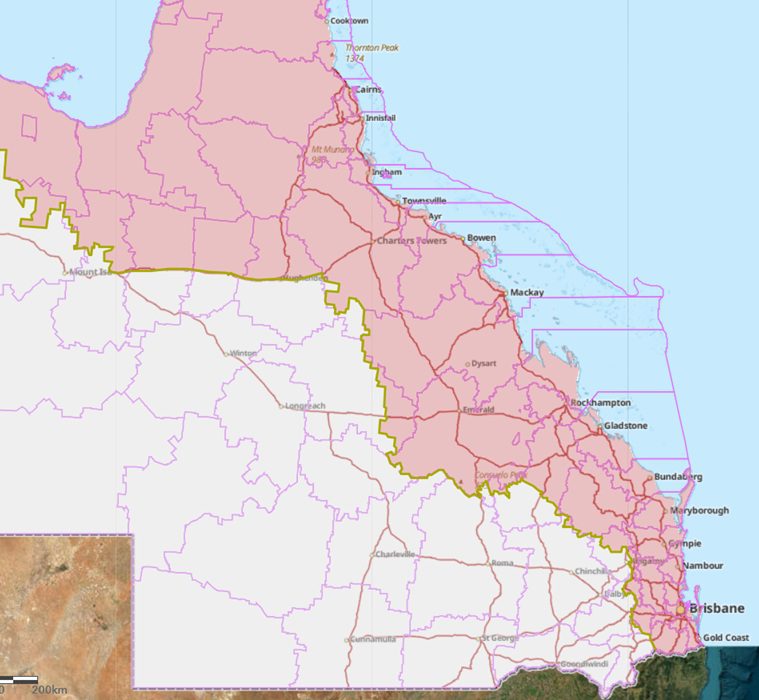
Qld cattle tick line. Click on image for a larger view.
Third-Party Scratcher System Review
One of the major concerns among producers has been the perceived conflict of interest for third-party scratchers, including agents who market cattle and producers who scratch their own cattle. Minister Perrett highlighted this as a significant factor in the Chief Biosecurity Officer’s review.
Enhanced Biosecurity Presence
The State Government previously announced plans to hire 100 additional biosecurity officers, with 37 positions already filled. “We are well on track to have half of those Biosecurity Officers on the ground by mid-year,” asserted Minister Perrett. He added that dedicated officers are actively collaborating with landholders facing tick incursions in the tick-free regions.
Issues at Saleyards
Concerns about tick-infested cattle arriving at Dalby saleyards—Australia’s second-largest selling center—have been voiced by industry stakeholders. Minister Perrett reiterated that Biosecurity Officers have been instructed to maintain a visible presence at major saleyards to ensure compliance with biosecurity measures.
Addressing Chemical Resistance
Another focus of the review is the threat of chemical resistance among cattle ticks. “It’s crucial to determine if ticks are developing resistance to the chemicals we currently employ,” said Minister Perrett. This concern affects not only tick-free zones but also areas that are already tick-infested.
Future Changes to Management System
While discussions surrounding potential modifications to the tick management system remain open, Minister Perrett stated that the immediate focus is on optimizing the existing framework. He reiterated that he is not considering a buffer zone in high-risk areas at this time.
Previous Related Articles
– March 5 – The cost of cleaning up cattle ticks in Qld’s free zone – Beef Central
– 16 February – Taroom producers say they have no confidence in cattle tick management + VIDEO – Beef Central
– 13 February – Producers air frustrations at Taroom cattle tick outbreak meeting – Beef Central
This format uses HTML tags for better integration into WordPress while ensuring the content is unique and organized for easy reading.

