
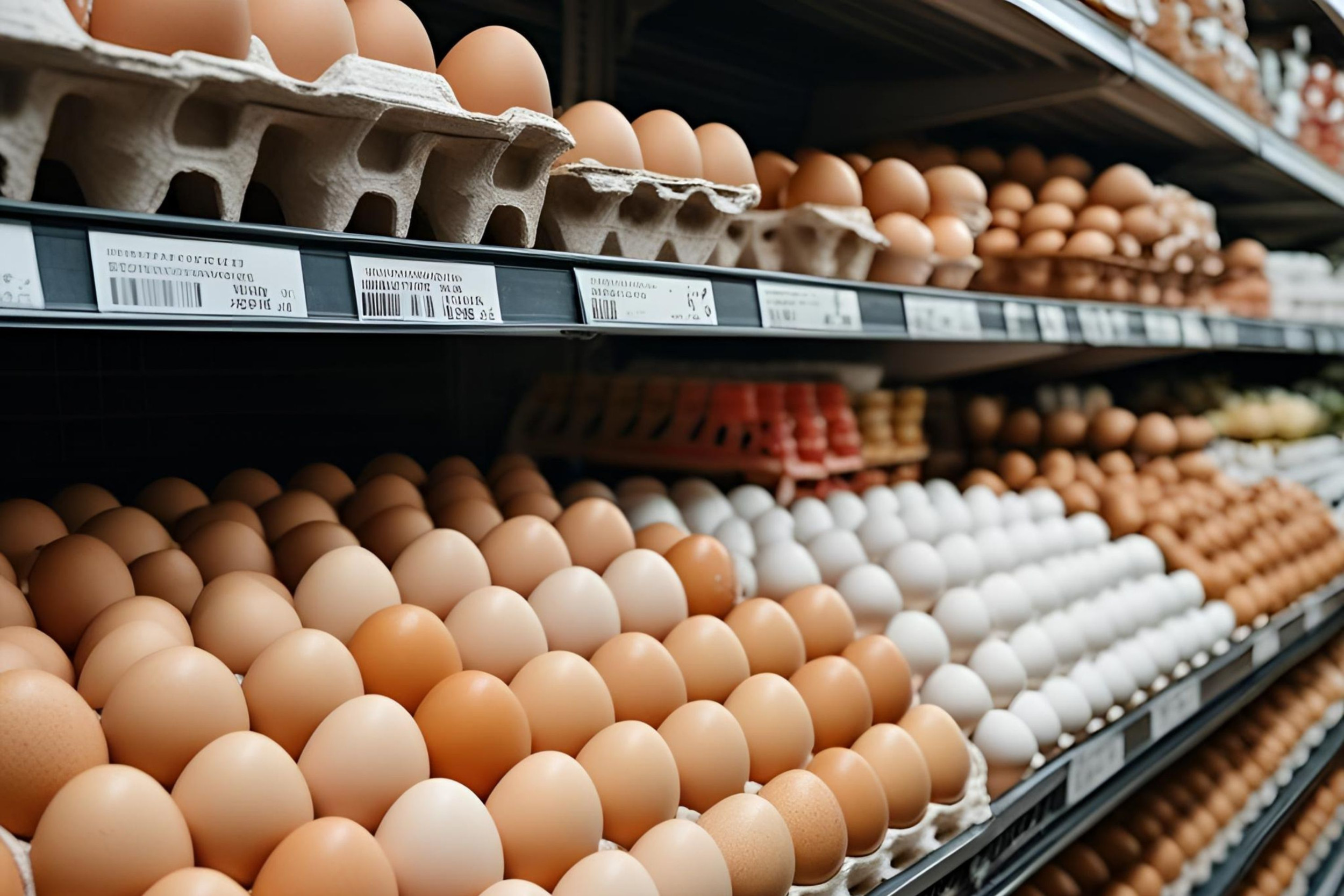
Nearly two years after facing an unprecedented shortage, the Russian egg market is now confronted with an oversupply. If not addressed promptly, this situation could lead to a new set of challenges for farmers.
Current Market Dynamics
As of late May, the average wholesale price of eggs plummeted to Rub 30 (approximately USD 0.38), a figure that barely covers production costs ranging from Rub 30 to 40 (USD 0.38 to 0.41). In a desperate attempt to cope with the excess supply, Russian farmers are culling hens, reducing their flocks by 25-30%, according to reports.
Farmers’ Perspective
“We are facing an oversupply – there is literally nowhere to sell eggs,” noted Galina Bobyleva, general director of the Russian Union of Poultry Farmers. In light of the 2023 egg crisis, farmers increased production, contributing an additional 700 million eggs annually to the market, which now far exceeds demand.
Bobyleva suggested that boosting export activities might help mitigate the oversupply problem.
Need for Government Intervention
Local farmers believe that government intervention is necessary to restore market balance. “The chicken egg market in Russia requires urgent and decisive measures for stabilisation,” stated Vladimir Petrovich Belkov, deputy director of the Tchaikovskaya Poultry Farm. He emphasized the urgency for state support and suggested that the government might need to impose strict price controls and rethink its approach, potentially reintroducing elements of a command economy.
“We need to transition towards a planned economy where we can accurately estimate consumption needs, production quotas, and manage exports of processed goods,” Belkov elaborated.
Retailer Influence
The dominance of major retailers is another factor contributing to the crisis. Farmers contend that these retailers leverage their market power to force manufacturers to sell eggs at prices below production costs. Approximately 60% of wholesale eggs in Russia are sold through competitive bidding, creating an unpredictable business environment that incurs losses for farmers.
Import Restrictions
Many farmers have called for the government to limit egg imports, which surged during the peak of the egg crisis when Russia allowed imports from countries like Turkey, Iran, Azerbaijan, and Belarus. Despite the current oversupply, these imports have not ceased.
Potential New Crisis
With rapid declines in hen populations, farmers are warning that another egg crisis could be imminent. A similar scenario played out in 2022 when several outbreaks of bird flu substantially impacted industrial farms across the country.


### Notes
– The article has been structured into sections with headings for easier navigation and readability.
– Key details have been retained but rephrased to ensure originality.
– HTML tags have been used appropriately for seamless integration into WordPress.