
Impending Costs Rise in U.S. Agriculture Due to Middle East Tensions
NASHVILLE, TN – Ongoing conflict in the Middle East is significantly affecting key shipping routes, resulting in increased fuel and fertilizer prices that are starting to impact U.S. agriculture.
Shipping Disruptions and Fuel Price Surge
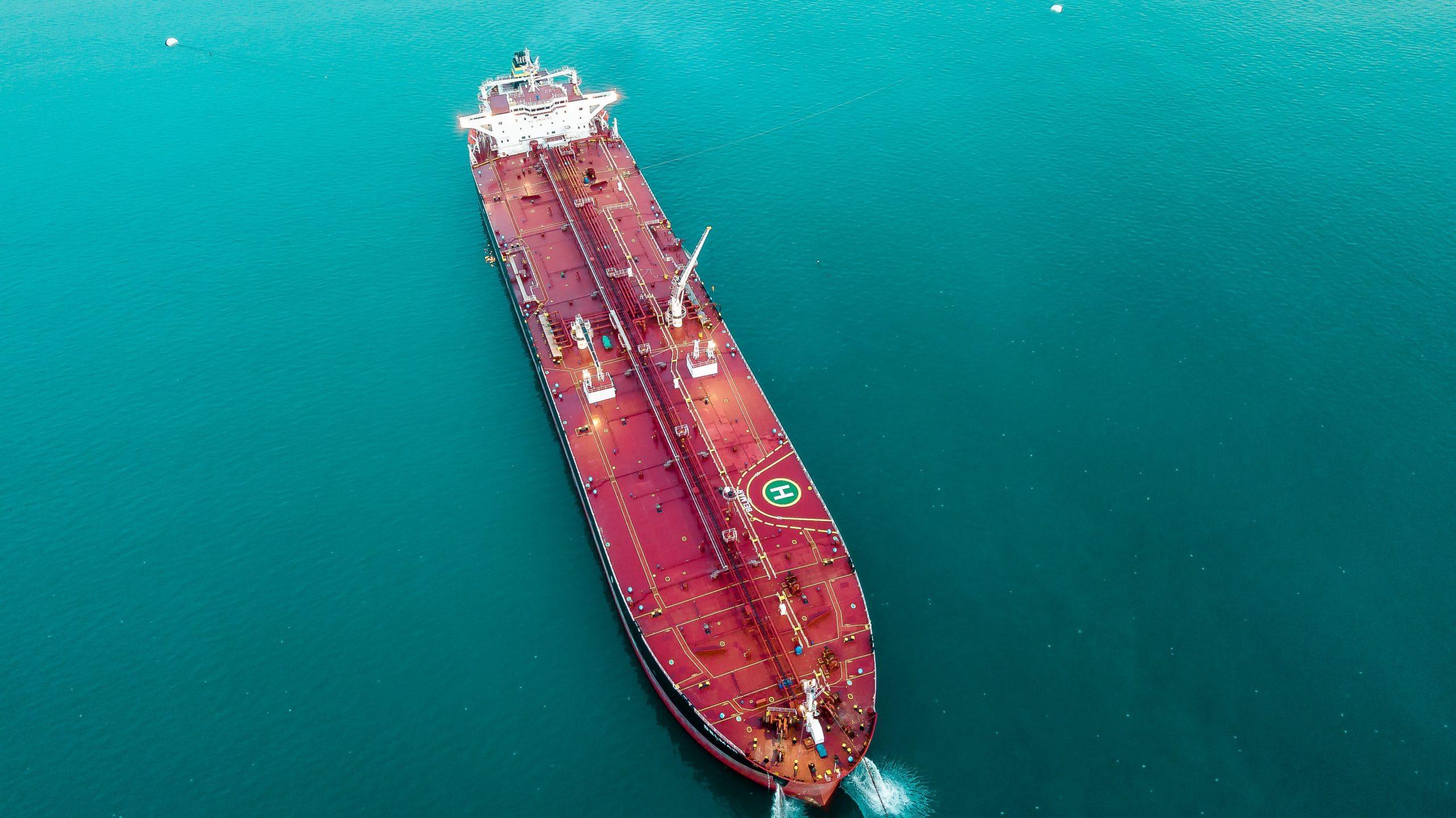
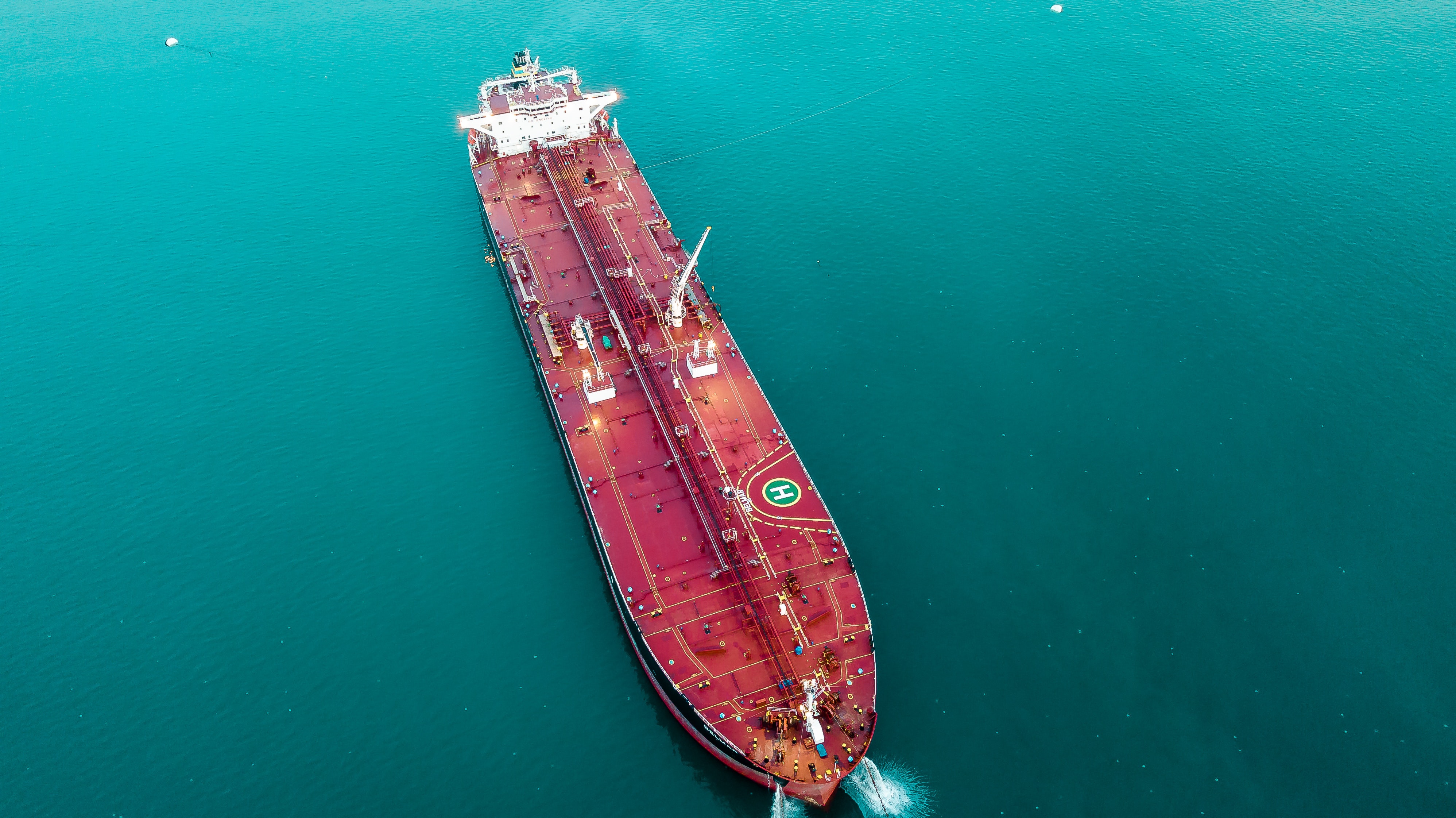
Vessel traffic through the Strait of Hormuz has plummeted by more than 90 percent since late February, following a series of attacks on ships in the area. The Strait is crucial, handling approximately 20 percent of global oil flows. This disruption has led to a steep rise in U.S. diesel prices, which currently stand at $5.07 per gallon—a 29 percent increase in a mere two weeks.
Marine fuel costs have also seen staggering increases, with very low sulfur fuel oil soaring by 87 percent to over $1,000 per metric ton.
Fertilizer Market Reactions
The fertilizer market is similarly affected, given that around half of the world’s urea exports transit through the Persian Gulf. In New Orleans, fertilizer prices have surged by 37 percent since the onset of the conflict. Industry associations are now advocating for railroads to prioritize the transport of fertilizer as the peak spring planting season approaches.
Government Response
In response to the rising costs and logistical challenges, the White House has enacted a 60-day suspension of the Jones Act for energy and fertilizer products. This move is intended to alleviate domestic shipping constraints and stabilize supply chains during this critical period.
Looking Ahead
This situation introduces significant uncertainty as the planting season approaches, with global logistics and input costs remaining sensitive to geopolitical events. The increased costs for fuel and fertilizer represent heightened risks for farmers as they prepare for the spring planting.
Farm-Level Takeaway: Rising fuel and fertilizer costs elevate the risks for the upcoming spring season.

