

Pasture Dieback Detected in Hunter Valley Kikuyu Pastures
Pasture dieback has recently been identified in kikuyu pastures across the Hunter Valley region, marking its first detection outside of Queensland and northern New South Wales. This confirmation has come from the NSW Department of Primary Industries and Regional Development, alongside Hunter Local Land Services.
First Detection in Hunter Region
NSW DPIRD Pastures Development Officer Sarah Baker emphasized the significance of this finding, noting, “This is the first time the disease has been identified in the Hunter region.” Previously, the disease was observed as far south as Coffs Harbour.
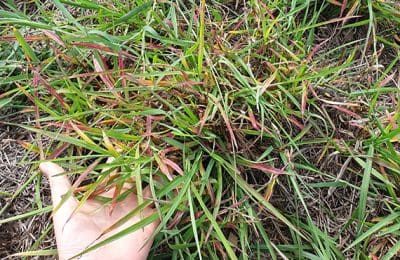
Click on image for a larger view
Impact on Local Pastures
“It’s really impacting kikuyu in the Hunter this autumn,” Ms. Baker reported. “We have seen it in multiple locations throughout the region, including on the roadside.” While the extent of affected properties is still under investigation, the implications for local farmers and landholders are significant.
Understanding Pasture Dieback
Pasture dieback is a debilitating condition that primarily affects summer-growing grasses, such as kikuyu and paspalum. The disorder begins with small patches and can expand rapidly, permitting the colonization of broadleaf weeds. A notable association exists between pasture dieback and the presence of the pasture mealybug (Heliococcus summervillei). The condition is not restricted by landscape or soil type.
Signs to Watch For
Ms. Baker urges landholders to monitor their pastures closely for unusual signs. “Be vigilant for unhealthy plants exhibiting red, yellow, and/or purple discolored leaves amid patches of dead grasses,” she advised. A closer examination may reveal the mealybug, identifiable by their small, white, millimeter-sized bodies.
However, it’s crucial to note that not all unhealthy kikuyu is attributed to pasture dieback. Landholders are encouraged to reach out to Local Land Services for guidance, as various diseases and pests can mimic dieback symptoms. For instance, conditions such as kikuyu yellows and pests like the African Black beetle and armyworm can also detrimentally impact pastures.
Alternatives and Next Steps
“Producers can maintain productivity by cultivating broadleaf species, including legumes and brassicas, which remain unaffected by dieback,” Ms. Baker explained. While re-sowing perennial summer grasses like kikuyu in dieback-prone areas is not advisable, annual winter-growing forages, such as oats and ryegrass, could fulfill winter feed needs.
Call for Vigilance
Local Land Services agricultural extension team leader Sarah Giblin emphasized the importance of vigilance, stating, “We’re aware of multiple confirmed locations of pasture dieback in both the lower and upper Hunter regions and are actively assessing these areas for potentially impacted properties.”
If pasture dieback is suspected on your property, it is essential to contact Local Land Services at 1300 795 299 for expert advice and support.
Further Resources
Information about pasture dieback in NSW is available on the NSW DPIRD website. Additionally, NSW DPIRD has prepared a short video detailing more about this issue:
This revised article provides a clear and well-structured format for integration into WordPress, enhancing readability while maintaining the key information from the original content.

