write a new articles with
BOM eight-day forecast from 8 May
A RAIN system from North Queensland down to South Australia and Victoria has been forecast for early next week, with hopes for a boost to fodder cropping in the south.
 Between 50-100mm has fallen in large parts of Victoria, Southern and Central NSW in the past week and there are fingers crossed the next system will bring some follow up.
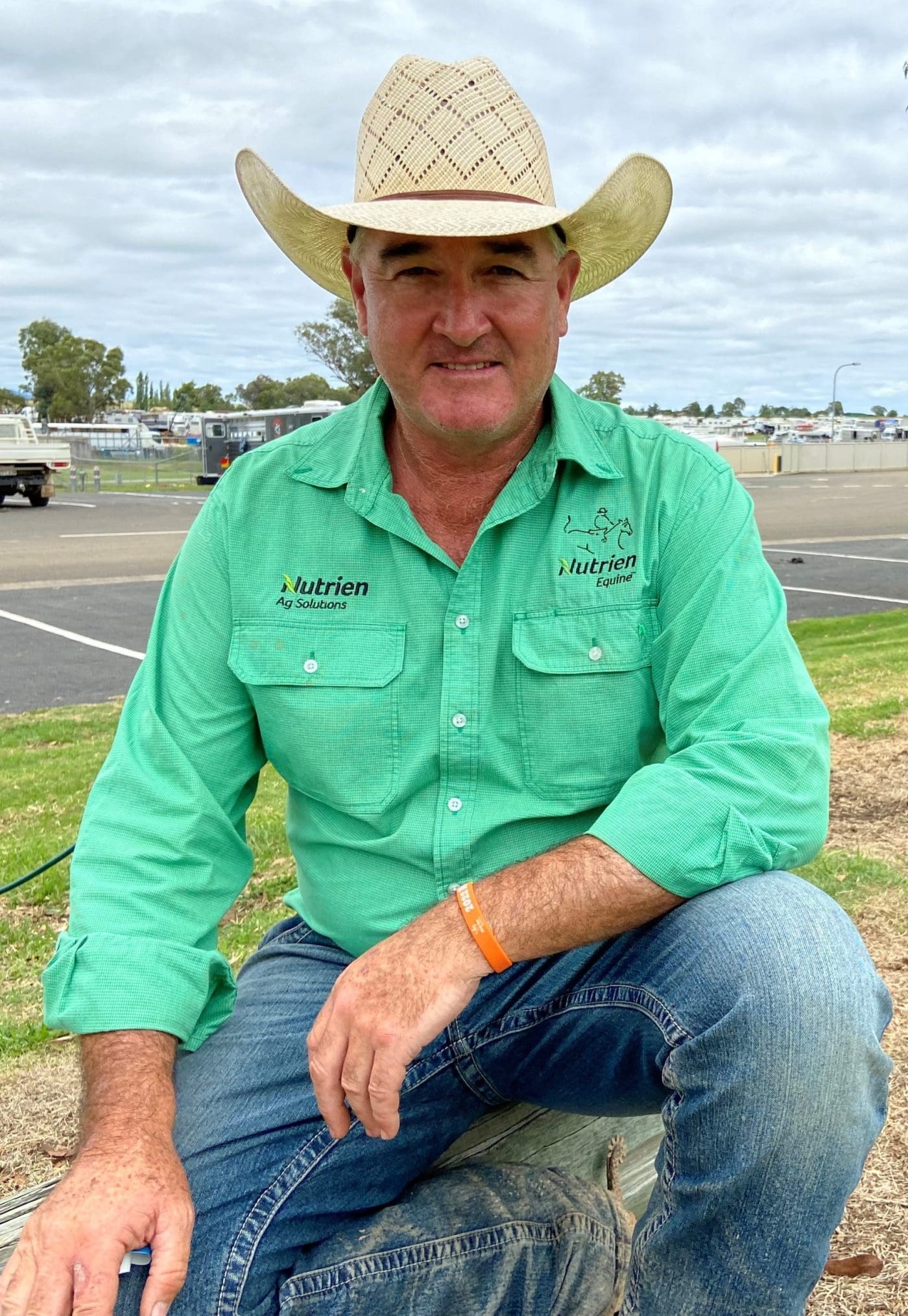
Wagga-based Nutrien livestock specialist Mark Barton told The Week in Beef podcast yesterday that the recent rain had been well-timed, which was bringing high hopes for the year ahead.
“A lot of winter cereal crops and grazing crops had gone in on the back of that. With this next rain forecast, we could find ourselves in good shape,” Mr Barton said.
“But we have been living off half of our annual rainfall over the past two-and-a-half years.
“Timing is everything though and we have had that in the past couple of months where it has rained at a good time.”
Mr Barton said the rain in the past couple of months has not been enough to start any full-scale restocking in the area, where numbers are low.
“If there is an opportunity to trade, you might see some cereal crops get used. You might even see some of the weaners that have not left the northern areas where it really tough, some of these guys might take on some additional stock – whether they buy or whether they offer agistment.
“We still another rain to make that feed.”
Different story in Northern NSW
The situation is different in Northern NSW, with large-scase destocking and a significantly reduced fodder crop planting. The Bureau of Meteorology said NSW had recorded its second driest April since 1900, with below average rainfall everywhere except for the Northern Territory.
In NSW April’s rainfall totalled 13 per cent of the 1961–1990 average.
The first week of May delivered some rain to southern and eastern parts of the state, with the Bureau showing 53mm of rain in Forbes from 1 May to 7 May, Grafton measured 46mm, Narrabri 36mm, Albury 30mm, Condobolin and Orange 29mm.
Antony Glynn
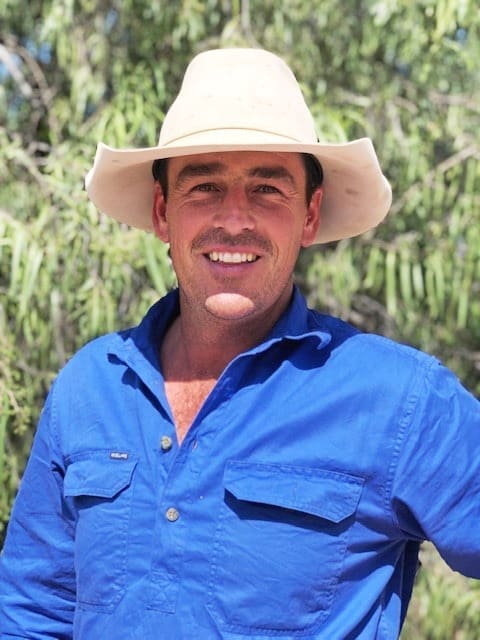
Moree based livestock agent Antony Glynn told The Week in Beef podcast it is extremely dry in his area in all directions.
“We’ve got no winter forage crops in at all, across our area. West of Moree a couple of clients typically put in a couple of thousand acres of oats each at this time of year, but it really is down to a few paddocks that are in and are struggling,” Mr Glynn said.
“If you go east towards the New England, it is the same story there.
“We have seen big sell-offs of weaners. Producers that would typically take their weaners through to feeders have been selling them off as weaners and any excess cows that they can’t feed, they’ve sold them and taken the money.
“That is what’s been driving these big yardings, which have only eased this week.”
Given the region typically sees cows calve in Spring, Mr Glynn said most producers would have destocked now and will commit to feeding what they have held onto.
 “I think the numbers in yards will back right off now as people have acted early,” he said.
“Calving will start as soon as four weeks from now, with the main run of calving starting in July.
“So, if they’re not gone now, they’re probably committing to feed them through and it would be the core herd that people are going to commit to feed and calve out.”
Mr Glynn said there are a few key differences with this drought compared to 2019.
“This time there is still a bit of feed available, but it is going up in price every day and livestock prices are still quite good,” he said.
“The other difference is there is still a lot of groundwater in places. While some guys in the east are out of water, I would say that’s the exception, not the rule.”
While Mr Glynn’s region has missed out on rain in the last week he said the rain further south and east will have a positive impact on the industry more broadly.
“Whether it creates some adjustment opportunities, not sure, but it’s creating competition for the cattle that are getting sold and is slowing a few numbers down,” He said.
“As far as growing feed, we could see some hay and things grown out of it, so that’s always a positive.”
into a unique and well structured article. Ensure the new content is plagiarism-free, well-organized, and formatted for seamless integration into WordPress. Use appropriate HTML tags (e.g.,
,
,
) and enhance readability with proper formatting