
Enhancing Crop-Livestock Integration: Insights from Organic Farmers
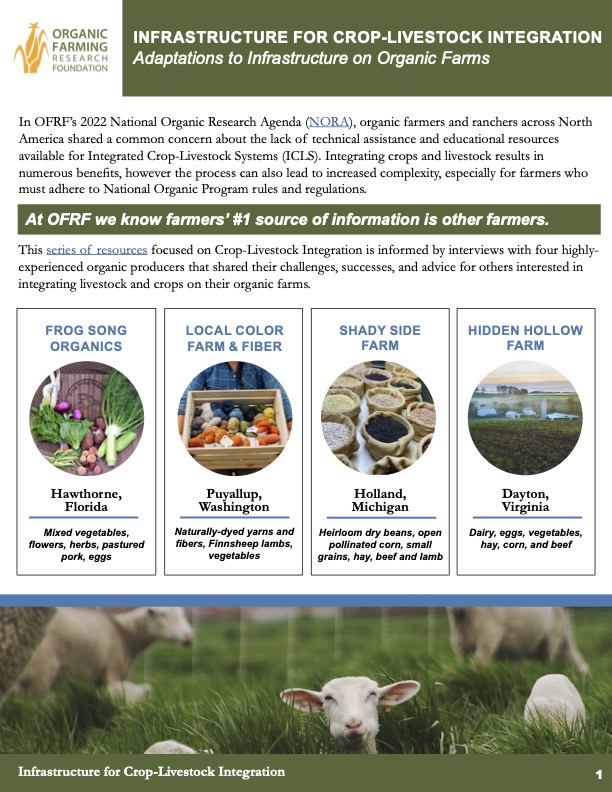
In the latest 2022 National Organic Research Agenda (NORA) published by the Organic Farming Research Foundation (OFRF), a pressing concern was raised by organic farmers and ranchers throughout North America: the insufficient technical assistance and educational resources available for Integrated Crop-Livestock Systems (ICLS). While the integration of crops and livestock offers numerous benefits, it also introduces added complexity, particularly for farmers who need to comply with the National Organic Program’s rules and regulations.
The Importance of ICLS
Integrating crops and livestock can create a sustainable and efficient farming ecosystem. This approach allows for the diversification of farms, enhances soil fertility, and promotes biodiversity. However, the transition to ICLS can be daunting, particularly for those new to this method. Understanding the specific challenges and best practices is crucial for successful implementation.
Learning from Experienced Farmers
This resource series on Crop-Livestock Integration draws its insights from interviews with four seasoned organic producers. These farmers shared their experiences, detailing the challenges they faced, the strategies that led to their successes, and the valuable advice they have for newcomers interested in merging livestock and crop cultivation on their organic farms.
Key Infrastructure Considerations
One of the critical aspects of successfully integrating animal and crop systems is establishing the right infrastructure. Essential components include:
- Animal Housing: Suitable shelters that provide comfort and protection.
- Watering Systems: Efficient water supply solutions tailored to various animals.
- Fencing: Secure fencing that ensures the safety of both crops and livestock.
Farmers have emphasized the importance of developing infrastructure that is adaptable to the type and age of the animals, as well as the specific soil and climatic conditions of their regions. Movable systems that can be adjusted based on season and crop rotation were highlighted as particularly effective.
Conclusion
The integration of crops and livestock represents a promising path toward sustainable organic farming. By taking lessons from experienced producers and investing in the right infrastructure, new farmers can navigate the complexities inherent in this system. As technical assistance and educational resources continue to improve, the future looks brighter for those willing to embark on the journey of Integrated Crop-Livestock Systems.
This article is structured for clarity and readability, following best practices for web content while remaining unique and free from plagiarism.

