

The Future of Commercial Ripening: Innovations and Trends Shaping the Industry

Over the past three decades, commercial ripening has undergone a revolutionary transformation. From the traditional methods of air-stacking boxes in temperature-controlled holding areas to the advent of sophisticated, digitally controlled ripening rooms, the industry has seen significant advancements that allow for precise and uniform ripening of multiple truckloads of palletized fruit.

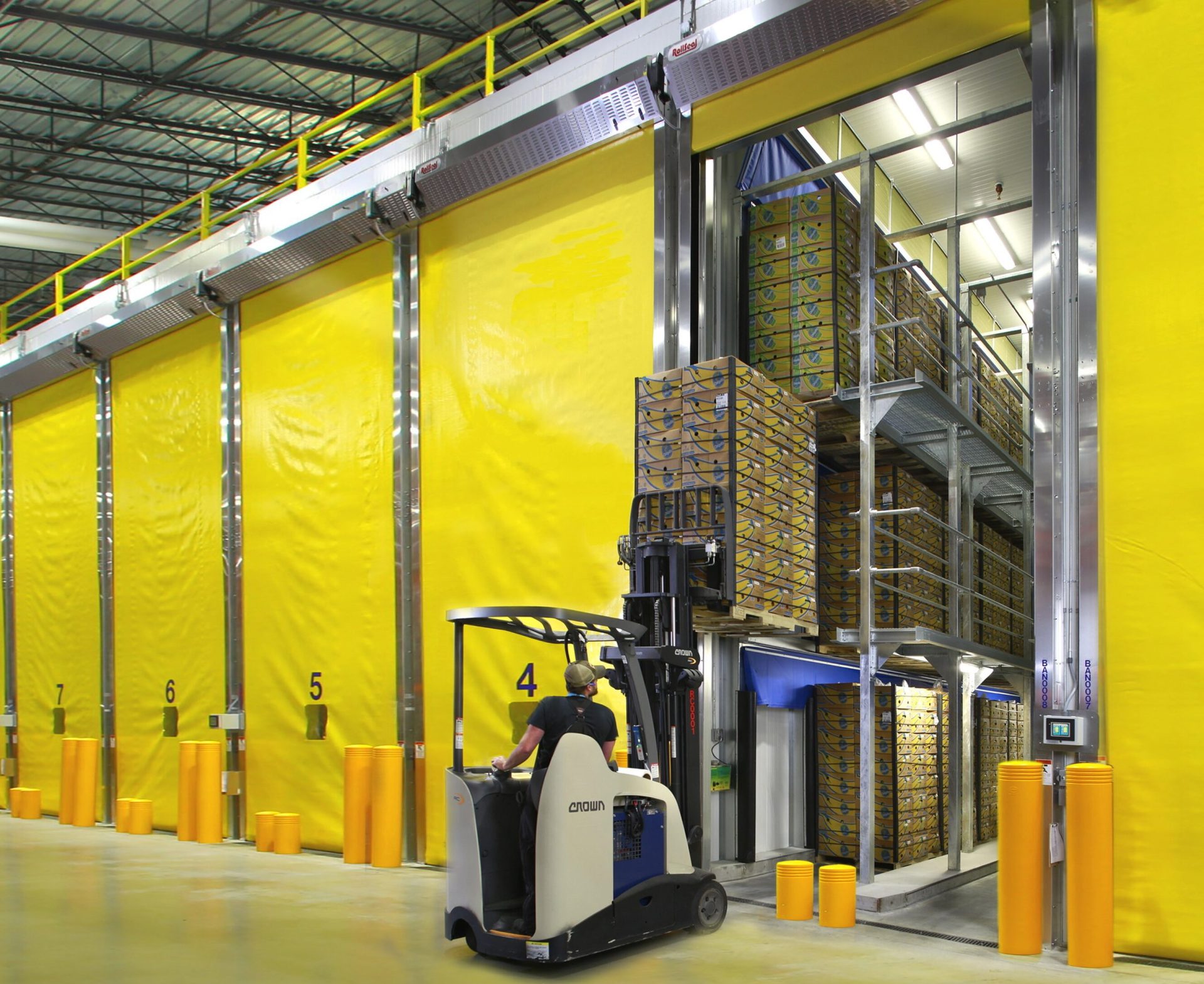
As a leading innovator in commercial ripening room design and construction, Thermal Technologies has been pivotal in this evolution since the launch of their patented “TarpLess” ripening rooms for Jewell-Osco in 1994. These were ground-breaking installations, capable of ripening palletized fruit without tarps or movable closure systems.
We had the opportunity to speak with David Byrne, VP of Sales at Thermal Technologies, to gain insights on the current state of the industry and future projections for 2026 and beyond.
Advancements in Ripening Technology
Q: How have pressurized ripening rooms evolved compared to 10 or 20 years ago?
Byrne: When we introduced our first multi-truckload rooms three decades ago, the scale at which fruit is now processed was unimaginable. Presently, billions of pounds of fruit are ripened in our rooms—over 70% of bananas sold at retail in North America, which is a remarkable figure.
Technological advancements, particularly in digital controls and sensors, have revolutionized the ripening process, enabling proactive adjustments based on in-depth understanding of fruit respiration. Current rooms can ripen different fruit types simultaneously and offer heightened energy efficiency while being easier to maintain.
Trends Transforming the Retail Ripening Landscape
Q: What trends are emerging in retail ripening?
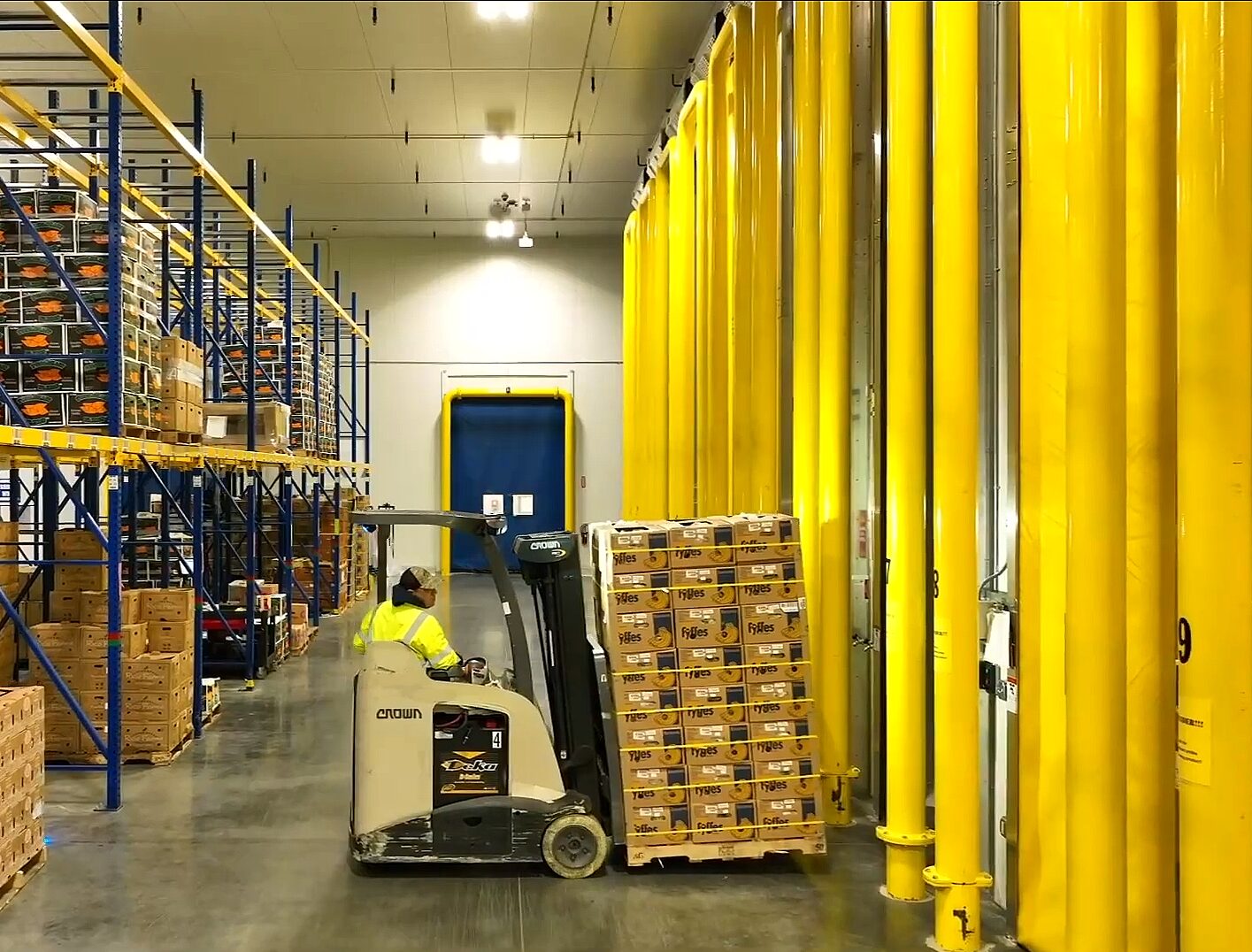
Byrne: A significant trend we’re noticing is a push from large retailers to standardize ripening processes across all distribution centers (DCs) for consistent outcomes. The aim is to automate ripening, achieving uniform results across all locations with centralized oversight.
With advances in digital tracking and artificial intelligence, we’re able to automate processes that were once thought impossible. For instance, our partnership with Strella Biotech allows for the integration of AI-assisted platforms that predictively model ripening requirements.
Human Insight vs. Automation
Q: Is the focus to eliminate human decision-making in the ripening process?
That’s a nuanced topic. Some clients seek to automate processes completely, while others prefer to maintain human oversight. Our approach is tailored; we work closely with clients to establish systems that meet their specific goals. Data plays a vital role, increasing demand for visibility across all levels of management.
To enhance data collection, we’ve developed the RipeScan optical gas analyzer, which provides real-time readings of ethylene and carbon dioxide levels, allowing for greater precision in managing the ripening process based on actual conditions.
Looking Ahead
Q: How do you envision the future of the ripening industry?
The future is unpredictable, and no one can foresee all developments. Staying engaged with emerging technologies is critical. Ripening is an organic process, and remaining flexible to incorporate advancements will benefit our clients. We’ve achieved remarkable progress in 30 years and are eager to embrace future innovations.
[RELATED: Coming Soon To A DC Near You: Fully Automated, AI Assisted Banana Ripening]

