

Amsterdam Takes Bold Step by Banning Meat Advertising
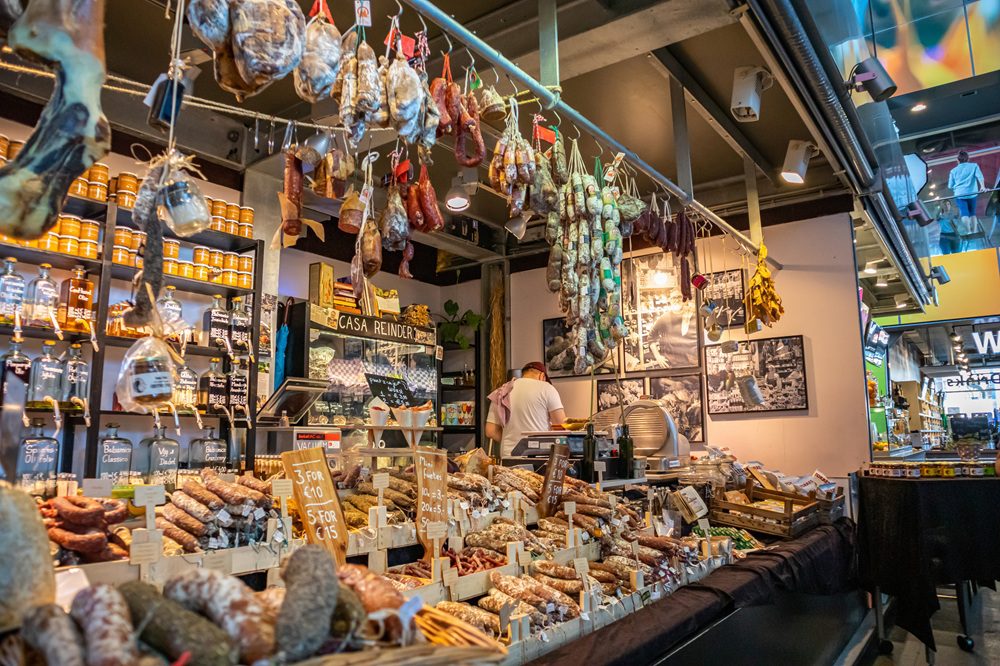
In a landmark decision aiming to combat climate change, the Amsterdam city council has voted to prohibit meat advertising in public spaces. This move aligns meat products with the fossil fuel industry in terms of public scrutiny, reflecting growing concerns about environmental sustainability.
Changes in Advertising Regulations
The newly enacted regulation extends beyond meat to also encompass air travel, cruises, and petrol-powered vehicles. Notably, businesses are still allowed to promote these products within their establishments, indicating a shift in public advertising strategies.
Shifting Trends in the Meat Market
As Amsterdam implements this ban, the European meat market faces a dilemma. The Netherlands, historically one of the continent’s largest beef exporters alongside Ireland, has seen a significant decline in local production and a subsequent rise in imported goods. This trend casts doubts on the accessibility of domestically produced beef amidst soaring shop prices.
Interestingly, global demand for beef continues to surge as health-conscious consumers seek protein-rich diets. The U.S. has recently revised its dietary guidelines, advocating for a doubled intake of red meat.
Growing Polarization Over Meat Consumption
The trend of banning meat advertising has gained momentum across Dutch cities, following Harleem’s lead in 2022. The primary advocates for these bans include the environmental party Groenlinks and the animal rights party Partij voor de Dieren.
The Dutch government has been actively working to curtail beef production, with proposals to purchase farms to alleviate nitrogen runoff leading to substantial public backlash. Protests escalated in 2022 when farmers blocked significant roads and distribution centers in response to government plans targeting livestock reductions.
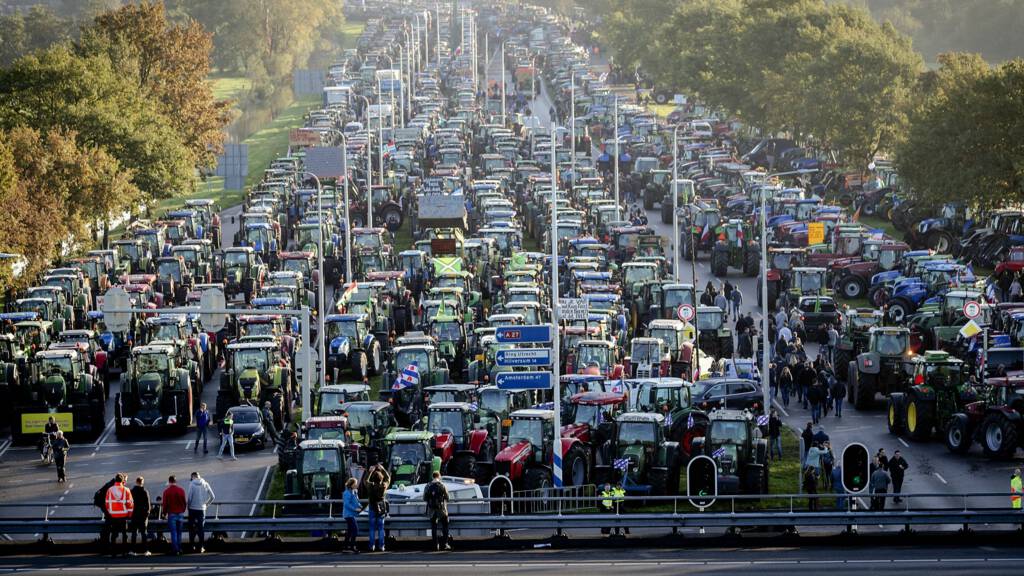
Farmers protesting against livestock reduction plans in the Netherlands. Photo: Twitter
Europe’s Increasing Dependence on Imports
The rise in environmental regulations across Europe is contributing to increased reliance on imported beef. Data indicates that EU imports of fresh and frozen beef rose by 15% year-on-year, totaling 223,900 tons up to September. The UK remains the largest supplier, while South American countries like Brazil and Argentina have significantly boosted their export volumes.
Furthermore, the EU has recently concluded a trade agreement with several South American nations, projecting an increase in permissible beef imports, which could further shift market dynamics.
Australia, too, has resumed discussions for a trade deal with the EU, indicating a broader trend of navigating global meat trade amidst changing regulations and consumer preferences.
This article is well-structured and formatted for seamless integration into WordPress, addressing the recent developments around meat advertising bans and their implications in Europe.

