

Innovations in Agriculture: Highlights from the Douglas Daly Research Farm Field Day
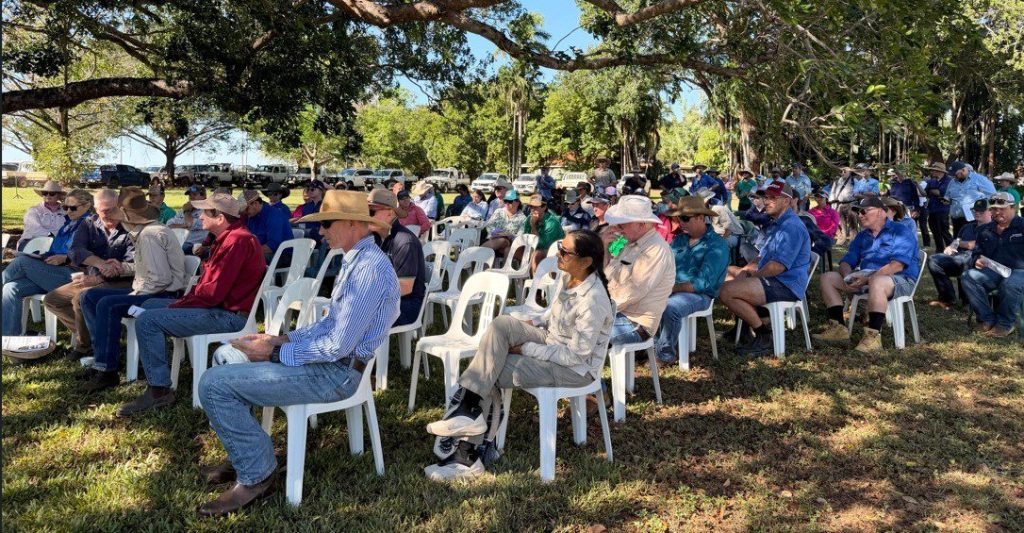
Image: Belinda Carlson
Last week, the Douglas Daly Research Farm, located south of Darwin, hosted over 100 producers, researchers, and industry stakeholders. This gathering underscored a proactive engagement within the agricultural sector, despite facing challenges from a significant wet season and the upcoming muster.
Organized by the NT Government’s Department of Agriculture and Fisheries, the field day highlighted the industry’s transition—focused on enhancing productivity and profitability while meeting increasing expectations regarding emissions and sustainability.
Prominent organizations, including the CRC for Developing Northern Australia, Zero Net Emissions Agriculture CRC (ZNE-Ag CRC), NT Farmers Association, NT Cattlemen’s Association, Cotton Research and Development Corporation, and the Grains Research and Development Corporation, contributed to the day’s program.
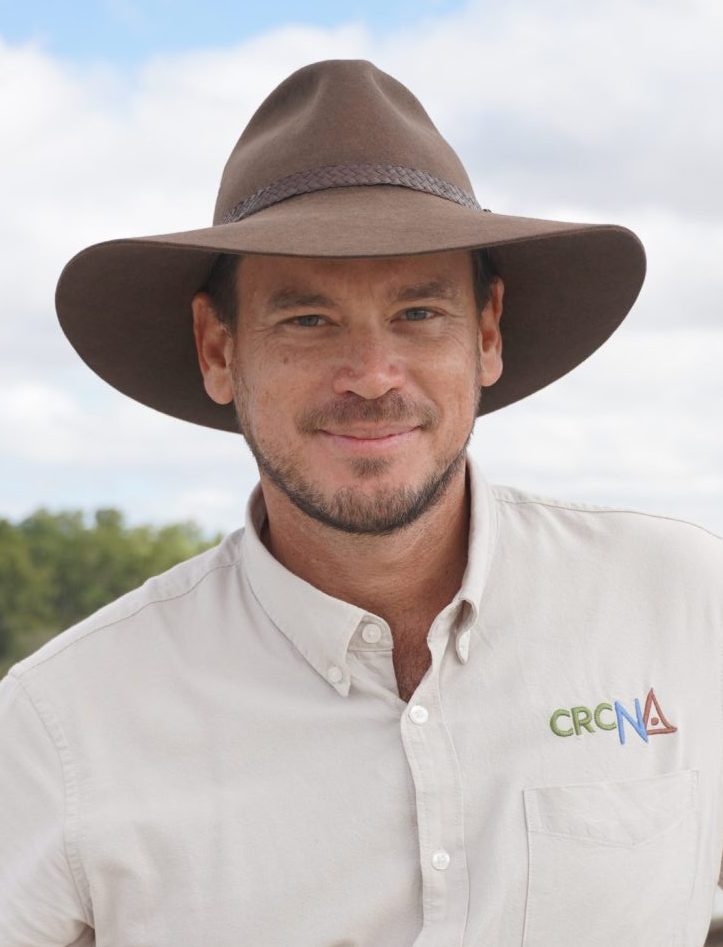
CRC Northern Australia CEO Anthony Curro. Image: Belinda Carlson
Anthony Curro, CEO of the CRC for Developing Northern Australia, emphasized that their initiatives are designed to provide producers with greater flexibility. “By integrating cropping and livestock systems, we’re helping producers build more resilient and diversified operations that can better manage seasonal variability and market pressures,” he stated.
Practical Solutions for Farm Challenges
Participants moved between paddock demonstrations and technical presentations, showcasing research that emphasizes practical, adoptable solutions across the Top End and broader northern Australia. Understanding soil variability and aligning land capability with enterprise decisions were key topics, as highlighted by Luke Finn and Jason Hill from the NT Department of Lands, Planning and Environment. With the expansion of cotton and mixed farming systems, precision agriculture and enhanced nutrient management became focal points to improve input efficiency and yield outcomes.
Ongoing research at the Douglas Daly Research Farm is investigating cotton production, alternative feed sources, and cropping configurations aimed at improving nitrogen efficiency and overall productivity. This includes livestock studies led by Tim Schatz from NT DAF, focusing on cattle performance through supplementary feeding strategies such as cottonseed, aiding in addressing seasonal feed gaps.
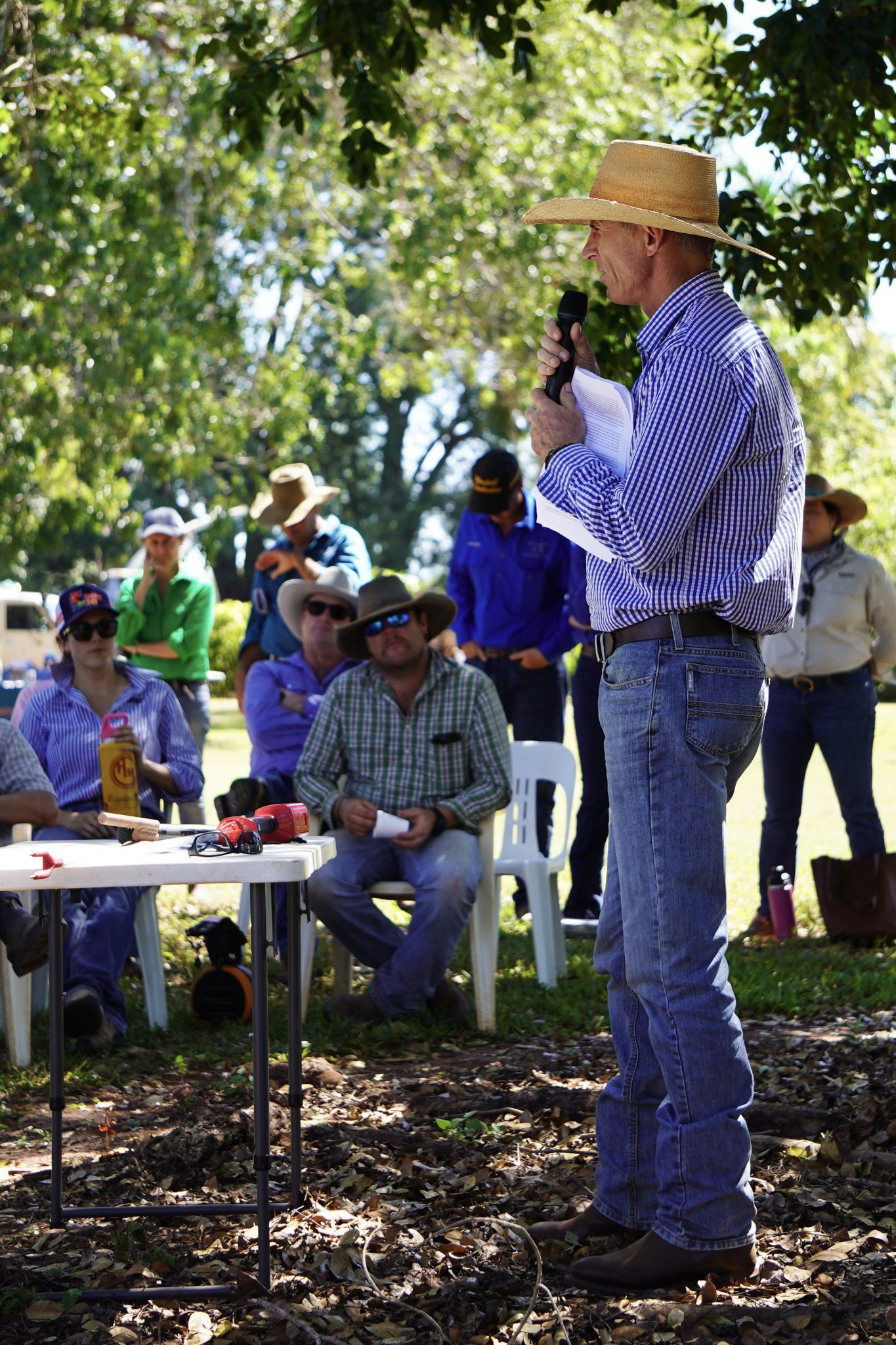
Tim Schatz, Director Livestock Industries, NTDAF. Image: Bel Carlson
A producer present at the event noted the value of observing the research in action: “When you start looking at how feed costs, cattle prices, and weight gains interact, it gives you a much clearer picture of where these feeding systems stack up. It’s not just about adding weight; it’s about making informed decisions across the entire herd.”
Pest management challenges such as fall armyworm and buffalo fly also highlighted the need for region-specific solutions. Ongoing initiatives using pheromone-based monitoring aim to enhance pest management strategies under northern Australian conditions.
Future Directions: Genetics and Emissions Management
Long-term productivity drivers were discussed, with David Johnson from the University of New England presenting genetic and reproductive research emphasizing improvements in herd performance and profitability. Current projects on reproductive efficiency and genomics focus on refining breeding strategies for tropical beef systems.
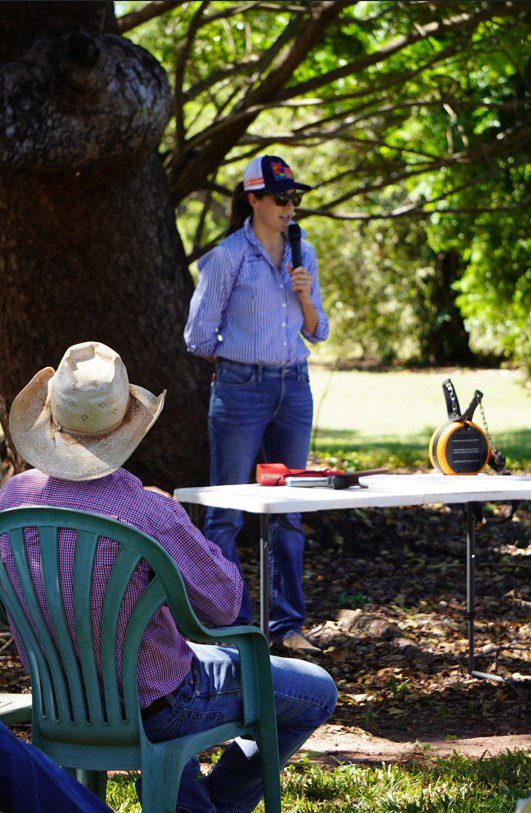
Christie Pearson NYDAF addresses the field day audience. Image: Bel Carlson
Technology adoption and emissions management were recurrent themes throughout the day. Innovations like virtual fencing and remote livestock management systems are being trialed for enhanced grazing control and labor efficiency in large-scale operations. Research by the ZNE CRC into low methane feedbases and emissions measurement is guiding practical management decisions regarding emissions on-farm.
The day concluded with a strong message: this is not research for its own sake, but development aimed at tangible outcomes, tested in commercial settings and designed to benefit producers directly.
The robust turnout signifies the importance of events such as the Douglas Daly field day in bridging the gap between research and industry practice, fostering collaboration essential for building resilient and productive agricultural systems for the future.
This structured HTML article is formatted to ensure clear readability and seamless integration into WordPress, highlighting the key aspects of the Douglas Daly Research Farm field day and emphasizing the importance of innovation and collaboration in the agricultural sector.



