
The Growing Crisis in American Agriculture: Challenges and USDA Restructuring
By Vinnie Trometter, OFRF Policy Manager
Economic Pressures on Farmers
The American agricultural sector is under unprecedented strain due to record-high input costs, declining commodity and specialty crop prices, and limited market access. In a significant show of concern, over 300 farm groups sent a letter to Congressional leaders in January, warning that the future viability of U.S. agriculture hangs in the balance unless these conditions improve.
Further Complications
Since that alarming notification, the situation has only deteriorated. The ongoing conflict in Iran has increased fertilizer prices at a critical time during the spring planting season, affecting many farmers who hadn’t pre-purchased their supplies. Additionally, a record-warm winter has fueled a drought covering over 70% of lands used for major crops in the Western U.S.
The USDA’s Plans for Restructuring
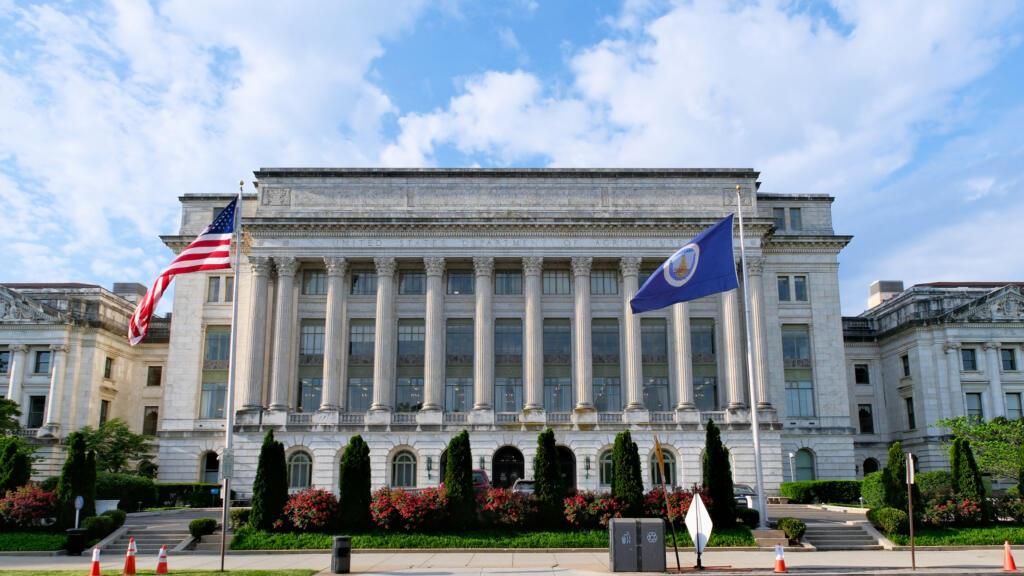
In light of these challenges, the USDA has announced plans to restructure its research, education, and economics agencies. The stated goal is to foster closer ties with farmers; however, many, including OFRF, are skeptical, believing this move will instead alienate producers due to potential lapses in services and the loss of experienced personnel.
Concerns Over Workforce Losses
Key elements of the proposed restructuring involve relocating personnel from vital USDA research and data agencies—such as the National Institute of Food and Agriculture (NIFA), Economic Research Service (ERS), and National Agricultural Statistics Service (NASS)—to Kansas City and St. Louis. Past relocations have shown that such moves may not be smooth; after a similar transition in 2019, around 75% of affected employees left the USDA altogether, leading to a significant decrease in economic report output and delayed funding for land-grant universities.
Impact on Agricultural Research
Another worrying aspect of the restructuring is the closure of the Beltsville Agricultural Research Station in Maryland. For decades, Beltsville has been a hub for advanced research in both organic and conventional agriculture. It conducts crucial research for organic corn, soybean, and cotton, and houses the Electron and Confocal Microscopy Unit, providing essential tools for identifying plant diseases that threaten crops.
The Realities of USDA Operations
While the USDA cites maintenance issues at Beltsville, the decline has more to do with a lack of funding and attention to agricultural research over the years. USDA’s restructuring, coupled with the closure of Beltsville, threatens to further deplete the USDA’s knowledgeable staff. In 2025 alone, nearly 23% of its research and educational staff departed, exacerbated by broad deferred resignations and separations due to cost-cutting measures.
Legal and Legislative Repercussions
It remains unclear whether the USDA has legal authority to initiate these changes without Congressional approval. Notably, the Maryland Congressional Delegation sent a letter condemning the planned actions, which echoes concerns raised during a previous restructuring that was deemed illegal by the USDA Inspector General.
Conclusion: A Ruse?
Given the current state of the agricultural economy, USDA assurances that such restructuring will ultimately benefit farmers seem disingenuous. The challenges presented by the ongoing crises faced by farmers—combined with staffing shortages and infrastructural changes—underscore the pressing need for re-evaluating USDA strategies rather than a complete overhaul. As conditions worsen, it is crucial to ensure that farmers have the support they need now more than ever.

