

For over 35 years, Dr. Bonnie Mallard has been dedicated to improving the health and longevity of various animal species through groundbreaking research.
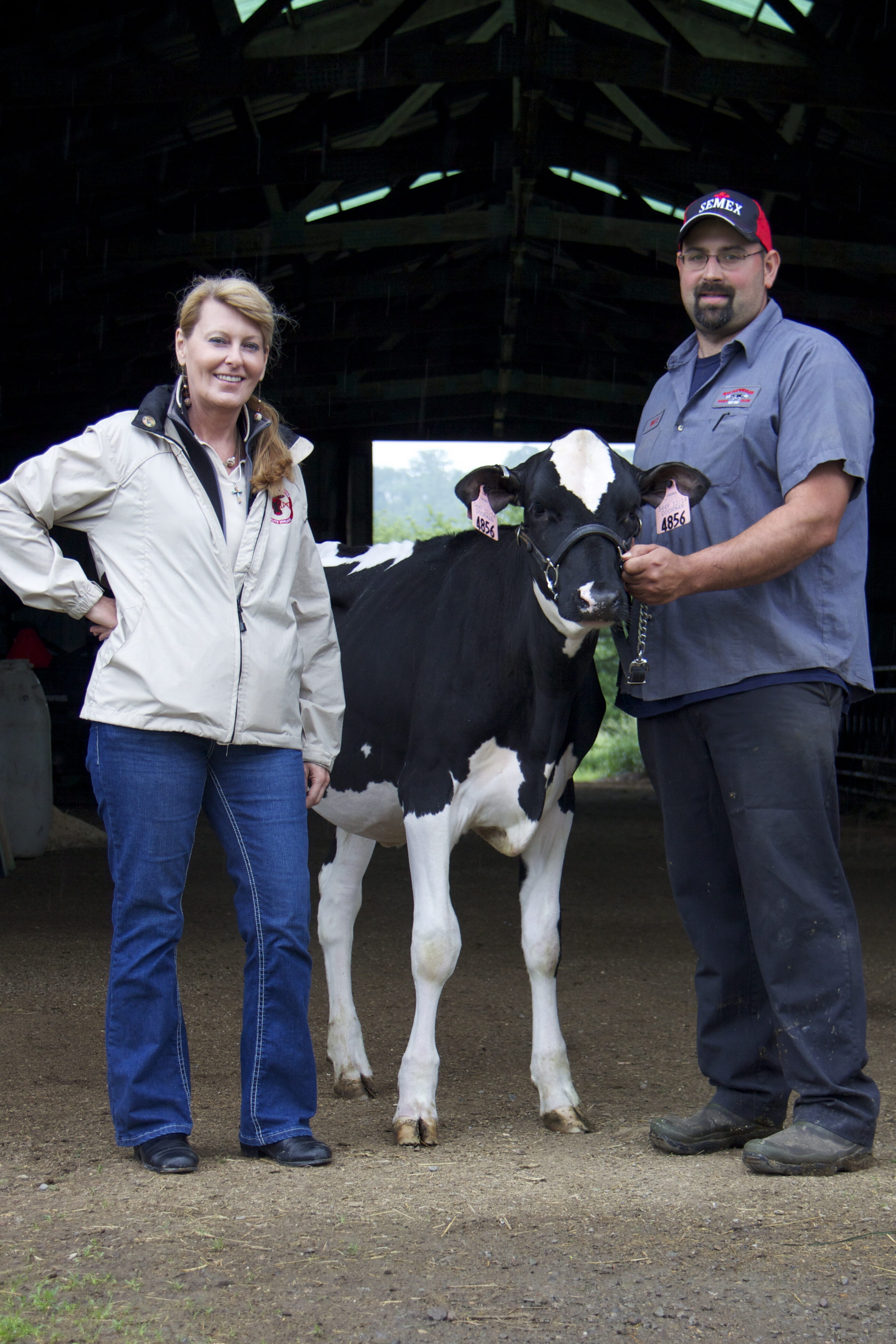
At the heart of her research is the award-winning high-immune response (HIR™) technology, a method designed to identify animals capable of passing down robust immune response genetics to their offspring.
The inspiration for this groundbreaking technology emerged early in Dr. Mallard’s academic journey. While studying horses suffering from combined immunodeficiency disease, she discovered that genetic defects in the immune system could result in severe health issues being inherited over generations. This prompted her to consider if positive immune genetics could similarly be inherited, leading to enhanced disease resistance.
“If we can inherit disorders, we can inherit better order,” she explains, highlighting her role as a pathobiology professor at the Ontario Veterinary College.
A Transformation in Farming Practices
Decades later, Dr. Mallard’s insight has matured into a widely used solution for farmers and breeding companies globally. Special antigen test kits are employed to stimulate the immune systems of target animals. Those that exhibit strong immune reactions are classified as high-immune responders, enabling farmers to breed these animals to enhance herd immunity over successive generations.
This innovation has led to the creation of Immunity+® semen, revolutionizing livestock breeding:
- Animals are half as likely to develop infectious diseases.
- Reduced reliance on medications and antibiotics.
- Faster growth rates and increased longevity, resulting in significant cost savings for farmers.
- Higher-quality colostrum production, rich in protective antibodies.
- Improved vaccine response rates.
With millions generated in revenue, HIR technology stands as one of the most lucrative patents in the history of the University of Guelph.
Combating Avian Flu with HIR Technology
Dr. Mallard’s latest focus involves addressing the pressing issue of avian influenza. In 2024, the virus transitioned from poultry to dairy cows in the United States, prompting widespread concern over potential economic repercussions.
Reporting from U.S. producers indicated that Immunity+ females maintained good health despite exposure to H5N1 avian influenza. “They are not getting as sick from avian flu, and they’re recovering much easier,” she notes.
This collective anecdotal evidence led to a landmark study, published in the Journal of Dairy Science Communications. The research examined over 15,000 cows across six dairy farms affected by avian flu outbreaks and identified that cows with high Immunity+ breeding values were 24% less likely to require treatment than those with lower values.
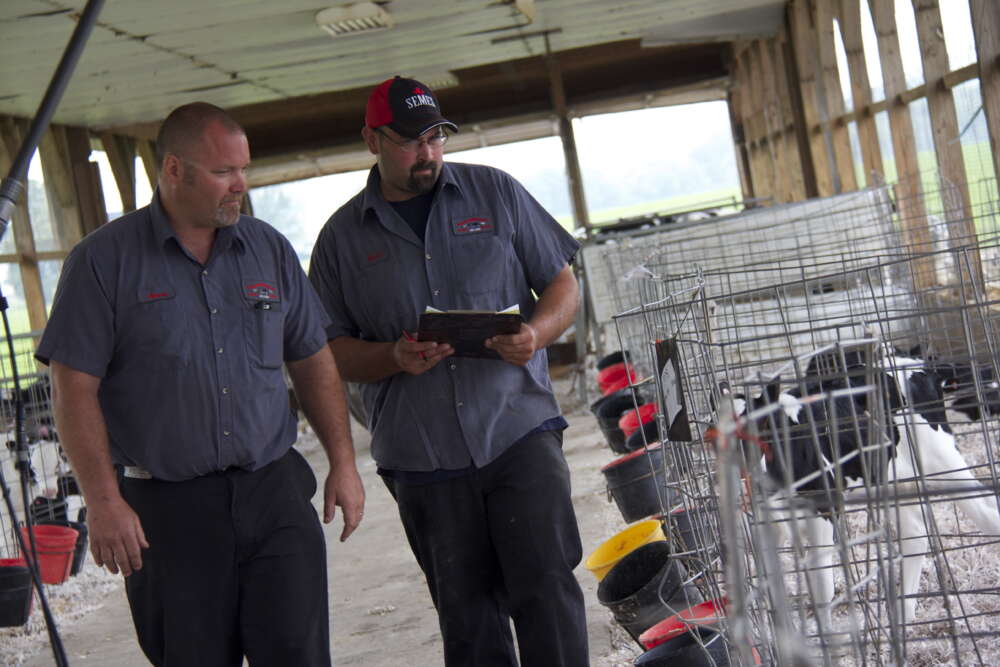
Given that avian flu typically results in an average loss of $504 USD per affected cow, the findings underscore the potential economic benefits of breeding cows with high Immunity+ values to mitigate milk production losses.
Dr. Mallard acknowledges the costs associated with avian flu, evidenced by Canada’s culling of over 10 million birds in recent years. She proposes that utilizing HIR technology can avert similar future measures and foster the development of animals with robust immune systems capable of responding effectively to pathogens.
Expanding HIR Technology to New Frontiers
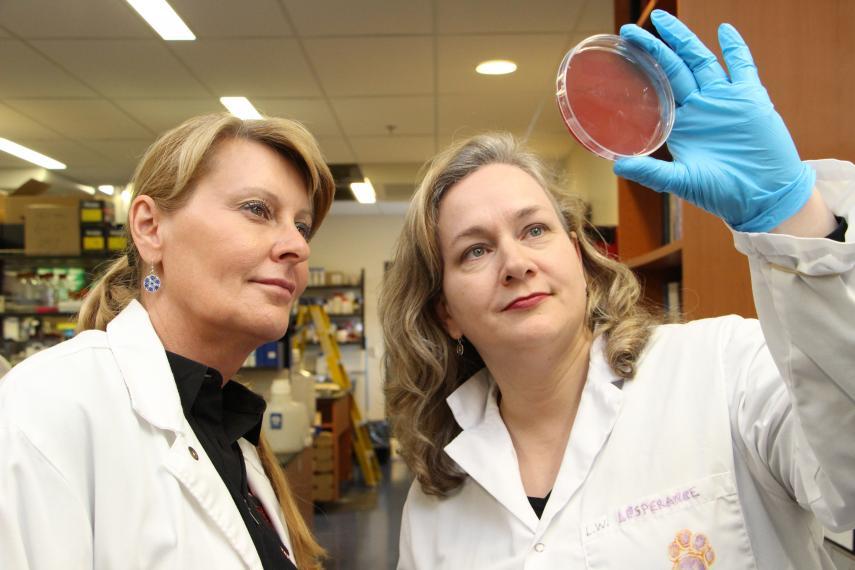
The research extends beyond dairy cattle, with plans to apply HIR technology to a diverse array of species—companion animals, sheep, turkeys, and beef cattle.
For example, beef cattle are particularly susceptible to shipping fever pneumonia during long-distance transport. Dr. Mallard is collaborating with the Canadian Angus Association and Semex to identify which animals exhibit disease vulnerability and what genetic information might be beneficial.
Working alongside Hendrix Genetics, she is also investigating antigen testing for turkeys to enhance their disease resistance, and even exploring options for less common animals such as ostriches.
Recognizing Excellence in Research
Dr. Mallard’s contributions have not gone unnoticed; she is the first Canadian to receive both the Governor General’s Award for Innovation and the NSERC Synergy Prize, among Canada’s highest honors in research.
She attributes her success to the connections she established at the University of Guelph, particularly through the Research Innovation Office. These relationships were vital for bridging the gap between academia and industry, facilitating the patenting process, and protecting her trade secrets.
“For a university professor to translate technology into the marketplace, having a robust business partner is crucial,” says Mallard, expressing her gratitude to Semex for their support.
Reflecting on her academic beginnings, Mallard recalls how her master’s advisor, Dr. Ted Burnside, guided her to connect with Semex’s CEO, Dr. Moe Freeman, who funded her research early on. She refers to this as “the speed of trust.”
Source: University of Guelph
This rewritten article retains the essential information while presenting it in a well-structured and unique format suitable for WordPress integration.

