

Resilience in Drought: Mike Carroll’s Innovative Approach to Cattle Feeding
Mike Carroll, a renowned Angus feeder steer producer in Armadale, Western Victoria, reflects on the profound impacts of the 2024-25 drought on his cattle business, particularly focusing on the marbling performance of young cattle fed a Total Mixed Ration (TMR).
Challenges Faced During the Drought
The past two years have presented unprecedented challenges for our cattle business. Historical rainfall records demonstrate that this was the driest 24-month stretch since 1900. Initially, the impact felt manageable due to reserves of hay and silage. However, by 2025, those reserves had diminished, leaving us with lighter cows, barren paddocks, and skyrocketing roughage costs across Victoria and South Australia.
Adapting Feeding Strategies
Faced with these pressures, we had to reevaluate our management practices for young cattle. We implemented early weaning and transitioned towards containment feeding for cows. A pivotal decision was to feed our weaners directly on a total mixed ration (TMR).
Traditionally, we would wean calves at 5-6 months, feeding them silage until they were ready for pasture in winter. This year, however, with no autumn break, we had to choose between an unpromising weaner market or feeding with TMR—a choice that proved unexpectedly beneficial and cost-efficient.
Surprising Growth Rates
When we weaned our calves in January, the average weight was around 200kg. The lightest group, weaned at just three months old, averaged 160kg. Remarkably, on TMR, these calves experienced weight gains of about 2kg per day, generating around $8 in liveweight value daily against a feed cost of $6, yielding a positive margin during a drought year.
With the help of nutritionist Jillian Kelly and feed company McKenzie Ag, we optimized our TMR formulation tailored for young beef weaners. The growth rates on TMR far surpassed those achieved with silage or pasture, allowing these calves to reach feedlot entry weight much sooner than usual.
Navigating Feedlot Concerns
As the steers approached 460kg empty by July and August, we reached out to our feedlot partners. Concerns arose regarding whether younger steers would perform adequately in the feedlot and if they would marbling sufficiently for premium programs at slaughter.
Despite initial reservations, our solid history with Rangers Valley feedlot led to the acceptance of these steers, resulting in outcomes that astonished everyone.
Exceptional Marbling Results
Almost half (49%) of the carcasses fell within the marbling score 3-5 range, with another 49% achieving scores of 5 and higher. These results aligned perfectly with the standards for Rangers Valley’s premium Black Onyx and Black Market programs.
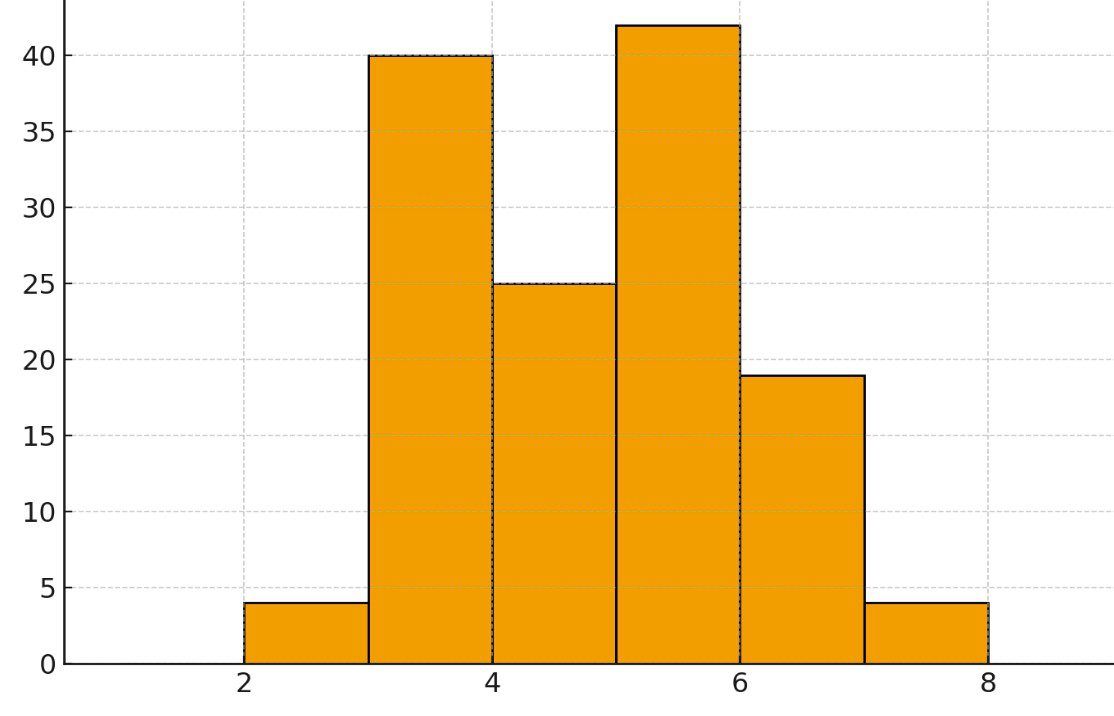
MSA AusMeat Marbling Score Distribution
Analyzing Genetic Contributions
Genetics likely played a crucial role in this success story. As a progeny test herd aligned with Te Mania, our herd is optimized for intramuscular fat (IMF). Notable bulls, including Te Mania Neon, have significantly contributed to our high marbling trait.
Should TMR Feeding Become Standard Practice?
The triumph of these young steers calls into question whether TMR feeding should be a standard practice even in typical years. The feed conversion efficiency of 6kg of TMR for every 1kg of bodyweight gain significantly outperforms traditional methods, prompting us to consider the economic advantages of implementing this strategy long-term.
Utilizing Technology for Improvement
We have increasingly adopted technology to enhance productivity and decision-making—facilitated by systems like Optiweigh and MateSel for more precise management and breeding. Cow Manager is also expected to simplify reproductive tasks.
Conclusion: Lessons Learned
After navigating two challenging years, we are now experiencing a fruitful spring, allowing us to concentrate on improving the productivity of our steer program. The drought taught us to embrace innovative feeding techniques, revealing a surprising potential for young cattle on a TMR. While it was not the season we anticipated, we emerged with newfound insights that may influence our future practices.

