

A New Wave in Northern Cattle: Changing Perceptions and Improving Quality
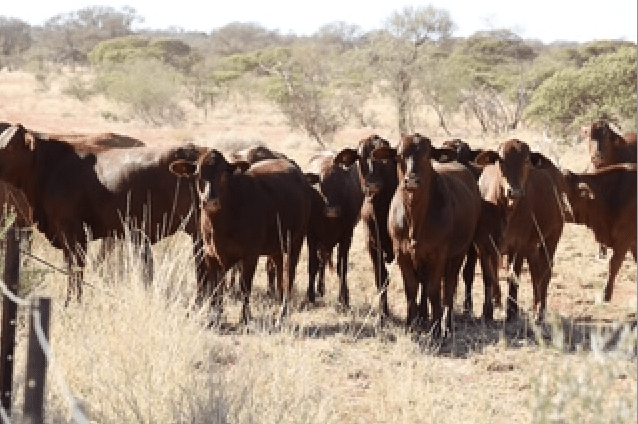
A young cattle producer from Western Australia is challenging the prevailing belief that all cattle from the north-western region are of inferior quality. Weldon Percy, who has built a significant business in helicopter operations while managing a 5,000-head cattle breeding operation, believes the perception of “pastoral” cattle needs to change.
Breaking the Stigma
Percy, who grew up on a cattle stud in New Zealand, began his career in the cattle industry at the age of 17. He currently operates a thriving helicopter business alongside his cattle operations on a Pilbara station leased from BHP. “There are really good cattle in the north of WA that go south and into feedlots and supermarkets; you just don’t hear about it,” he explained during a recent interview with Beef Central.
He emphasizes that the stigma surrounding northern cattle is out-of-date and misleading. “The perception that northern cattle are poor performers needs to disappear,” he stated resolutely. Many northern cattle grade comparably to their southern counterparts in Meat Standards Australia (MSA) assessments, yet they often receive lower prices—sometimes up to $1 per kg less—due to the stigmatizing term “pastoral.”
Efforts for Improvement
As a member of Cattle Australia’s Regional Consultative Committee, Percy is keen on changing how northern cattle are perceived. He asserts that many producers in the Kimberley and Pilbara regions have been producing high-quality cattle for decades. His operation collaborates with various organizations like Zoetis and MLA to DNA-test cattle and benchmark performance across its herd.
“Given the size of our operation, it’s essential that every animal sold is valued at the maximum possible price,” he emphasized. While he supports live exports, he identifies the domestic market as a key opportunity to secure higher margins.
Quality Over Quantity
Catering to consumer demands is paramount. “Customers in Perth buying scotch fillet want quality. Let’s provide that and earn a premium for it,” Percy advises. His herd primarily consists of Santa Gertrudis and Droughtmaster cattle. They are carefully managed to reach 350-400kg entry weights for feedlots, focusing on performance feedback from buyers.
As genetics play a crucial role in the quality of his herd, Percy states, “I believe there are existing herds here that have been producing consistently high-quality cattle for years—they just need the data to support it.” The effort to collect data is pivotal to proving that northern cattle deserve better recognition and pricing.
Market Dynamics and Economic Challenges
Despite the advantages of local markets, Percy admits that high prices in eastern markets can tempt producers to transport cattle over long distances. “We could sell 300-350kg cattle in Roma for $1-$1.50/kg more, even after the almost 6,000 km trip,” he noted. Yet, he believes persisting stereotypes hold back the true value of northern cattle.
Positive Changes in Northern Practices
Bron Christensen of the Kimberley Pilbara Cattlemen’s Association reported changes in northern production systems. Many producers are now vertically integrated and are targeting higher-value markets. “The historical view of Kimberley beef being tough and inferior has changed significantly,” she declared.
Farmers are diversifying their genetic lines in response to modern demands, including markets in Indonesia, which seek better-quality meat. Recent sales, such as the Fitzroy Crossing bull sale, showcase a variety of improved breeds, further supporting this shift in perceptions.
Conclusion
As Weldon Percy and other producers in northern Australia continue to raise the standards and improve the quality of their cattle operations, it’s clear that the stigma surrounding “pastoral” cattle is shifting. With innovative practices and a focus on data-driven outcomes, the future for northern cattle looks promising.
This article is structured to enhance readability and flows logically, using proper HTML formatting for WordPress integration.

