
Addressing the Needs of Integrated Crop-Livestock Systems
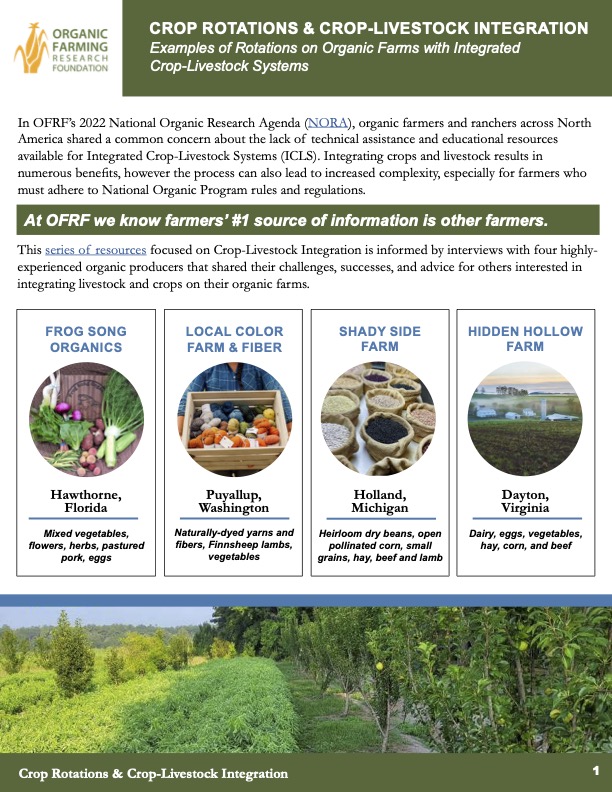
In the ever-evolving landscape of sustainable agriculture, the 2022 National Organic Research Agenda (NORA) by the Organic Farming Research Foundation (OFRF) has highlighted a pressing concern among organic farmers and ranchers across North America: the deficit of technical assistance and educational resources for Integrated Crop-Livestock Systems (ICLS). This approach—while offering multiple benefits—introduces a layer of complexity that can challenge even the most seasoned organic producers.
The Promise of Integration
Integrating crops and livestock creates a symbiotic relationship that enhances soil health, improves nutrient cycling, and can increase overall farm resilience. However, the intricacies involved in managing both crops and livestock—particularly under the guidelines of the National Organic Program—can deter farmers from pursuing this versatile farming method.
Insights from Experienced Producers
To better understand the practical implications of ICLS, a series of resources have been developed, informed by interviews with four highly experienced organic producers. These individuals generously shared their stories, encompassing the challenges they faced, the successes they celebrated, and the valuable advice they have for those contemplating the integration of livestock and crops into their farming operations.
Common Challenges in ICLS
Among the prominent challenges expressed by these producers were issues related to crop selection, livestock management, and compliance with organic regulations. Navigating through the complexities of this system can be daunting, and without proper training or resources, farmers may find themselves overwhelmed.
Success Stories and Best Practices
Despite these challenges, the producers highlighted numerous success stories, emphasizing the positive outcomes of a well-executed crop-livestock integration strategy. By sharing best practices and innovative solutions, these farmers aim to inspire others to explore the benefits of ICLS while minimizing the associated challenges.
Conclusion
The need for comprehensive support and resources for Integrated Crop-Livestock Systems is clear. As organic farming continues to grow in popularity, it is critical that farmers have access to the information and assistance they need to successfully navigate this multifaceted approach. The experiences and insights gathered from seasoned producers serve as a beacon of guidance for the future of sustainable agriculture.
This structured article is designed for easy reading and logical flow, making it suitable for publication on a WordPress site.

