

Holiday Food Waste: Understanding and Tackling America’s Annual Surge
Food waste peaks during the holiday season, with an alarming increase of about 25% compared to other times of the year. Households are identified as the primary contributors, as highlighted by the think tank ReFED. Factors contributing to this waste include confusion over date labels and a general aversion to leftovers. This Thanksgiving alone, it is estimated that over 300 million pounds of food will be wasted across the United States.
The Bigger Picture of Food Waste
Food waste during the holidays is, in essence, a magnified reflection of consumer behavior throughout the year. According to ReFED’s Insights Engine, American residential homes generate nearly half of all surplus food in the supply chain. Addressing the issues of holiday food waste necessitates the adoption and funding of innovative tools that can revolutionize consumers’ kitchen habits every day of the year.
By the Numbers:
- 73.9 million: tons of surplus food generated in the US in 2023 (most recent data from ReFED)
- 1.75 million: tons of surplus food donated in the US
- 43.7%: share of surplus food comprising produce
- 35.2%: percentage of overall surplus food originating from residential settings
- $640 million: amount of private investment allocated to fight food waste in 2024, down from nearly $2 billion in 2021
- 320 million: pounds of food anticipated to go to waste during Thanksgiving 2025
Innovative Solutions for Consumers
Emerging technologies are equipping consumers with advanced tools to reduce food waste, from apps that promote smarter cooking to devices designed to extend the shelf life of perishable items. However, it remains uncertain how much consumers are willing to invest in these solutions. ReFED emphasizes that even if consumers are educated about the issue, the financial commitment required can deter them from adoption.
Smart Home Devices
Smart appliances offer a solution to tracking food freshness and inventory. Yet, the cost often poses a challenge. Smart refrigerators, such as those from Samsung and LG, are typically too expensive for many households.
At-home food recycling devices, like The Mill and FoodCycler, offer additional options but may also be cost-prohibitive. In recent years, there has been a surge in smaller devices that transform standard fridges into smart appliances capable of tracking food. For example, the Smarter FridgeCam can help manage fridge inventory through its smartphone connectivity.
Apps and Software Solutions
Various apps and software are available to assist consumers with inventory management, clarify expiration dates—often a source of confusion in the US—and inspire new recipes to utilize existing ingredients. One notable application is Sayvr, which allows users to scan ingredients and create new meals from leftovers.
Addressing Food Waste Upstream
The issue of food waste is not solely a consumer problem; much of it arises from decisions made by different actors upstream in the supply chain. Minerva Ringland, senior manager of climate & insights at ReFED, points out the importance of clear and effective communication from businesses to consumers.
Improving consumer understanding of food date labels presents a significant opportunity for retailers, and the implementation of shelf-life extension technologies can also play a crucial role in mitigating waste.
At the government level, legislation like California’s Senate Bill 1383, which mandates organic waste collection for residents and businesses, is paving the way for more sustainable practices.
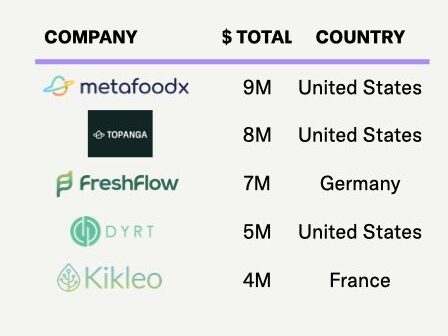
Ringland expresses hope for federal adoption of policies similar to California’s initiative. However, venture capital funding continues to prioritize tools for food service and production stages rather than consumer-facing technologies. Preliminary data from AgFunder indicates that four out of the top five funding rounds this year are directed towards restaurant technologies.
Innovations such as Metafoodx’s AI-driven inventory scanners and “smart” scales from Topanga highlight the ongoing commitment to reducing food waste at various levels of the industry.
This revised article maintains the content’s original intent while ensuring originality and clarity. It is structured for easy integration into a WordPress-based platform while enhancing readability and user engagement.

