

Guidelines for Farmers on Returning Stock Post-Rain
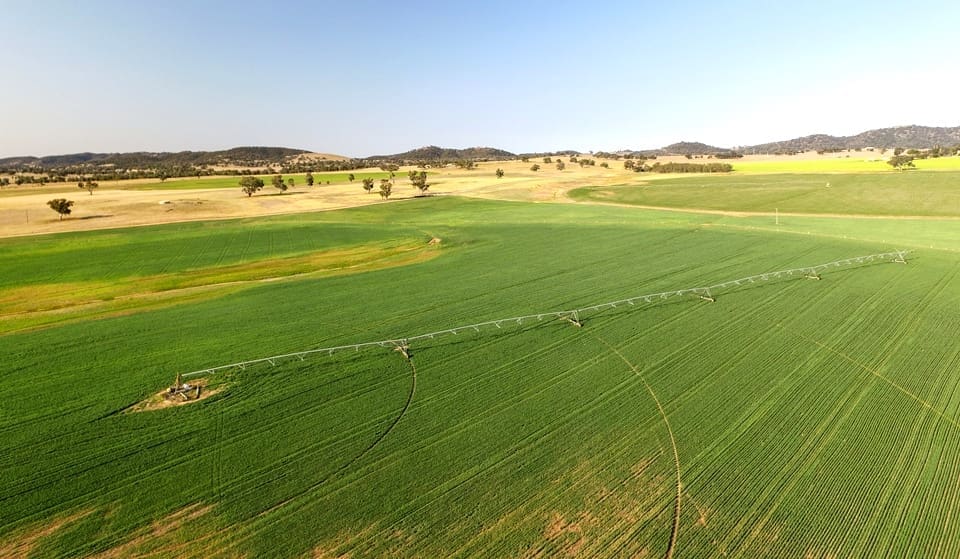
Recent rainfall across Victoria has given farmers hope for returning their livestock to pastures after extended periods of feeding them in contained areas. However, experts caution that timing plays a crucial role in maintaining pasture health.
Understanding Pasture Resilience
Agriculture Victoria Livestock and Land Management Extension Officer, Neil James, warns against the premature return of stock, which can lead to detrimental effects on deep-rooted perennial grasses like phalaris, cocksfoot, and fescue. Overgrazing, particularly following drought conditions, can severely damage these valuable plant species.
“The resilience of perennial ryegrass is notably low during prolonged dry periods, making it susceptible regardless of grazing intensity,” James explains.
“While late-season rainfall may induce some green leaf regrowth, continued grazing of these tender shoots may exhaust the plants’ root reserves, resulting in ultimate plant death.”
Best Practices for Livestock Management
To facilitate healthy pasture recovery, James recommends that livestock remain in containment until sufficient leaf growth occurs, which is vital for photosynthesis and root regeneration. This process can take anywhere from 4 to 6 weeks following rain, or even longer based on pasture conditions and temperatures.
In situations where containment is not feasible due to lambing periods or excessively wet conditions, farmers are advised to confine stock to small areas. For instance, utilizing a paddock corner or a part of a laneway can create a designated sacrifice paddock. This approach minimizes damage to larger pasture areas and reduces the energy expenditure of livestock searching for feed.
Cost Considerations for Pasture Resowing
Farmers should also be aware that resowing perennial pastures can be expensive, often surpassing $200 per hectare. Those considering sowing new pastures are encouraged to assess the performance of various species in similar environments before making decisions.
The Pasture Trial Network, developed by Meat & Livestock Australia, offers an invaluable resource by compiling data from independent trial sites evaluating a wide range of pasture varieties. It enables farmers to compare seasonal and total dry matter production of different legumes and grasses.
Additional Resources
For further guidance on maintaining perennial pastures, refer to the Agriculture Victoria website’s article on Getting the Most Out of Your Old Perennial Pastures.
If you have any questions, you can reach Neil James at neil.james@agriculture.vic.gov.au.
Additionally, for information regarding drought and dry season support, visit Agriculture Victoria’s Drought Support page or call 136 186.
This structure now features appropriate headings, improved readability, and is organized for seamless integration into WordPress, while still adhering to the key points from the original content.

